
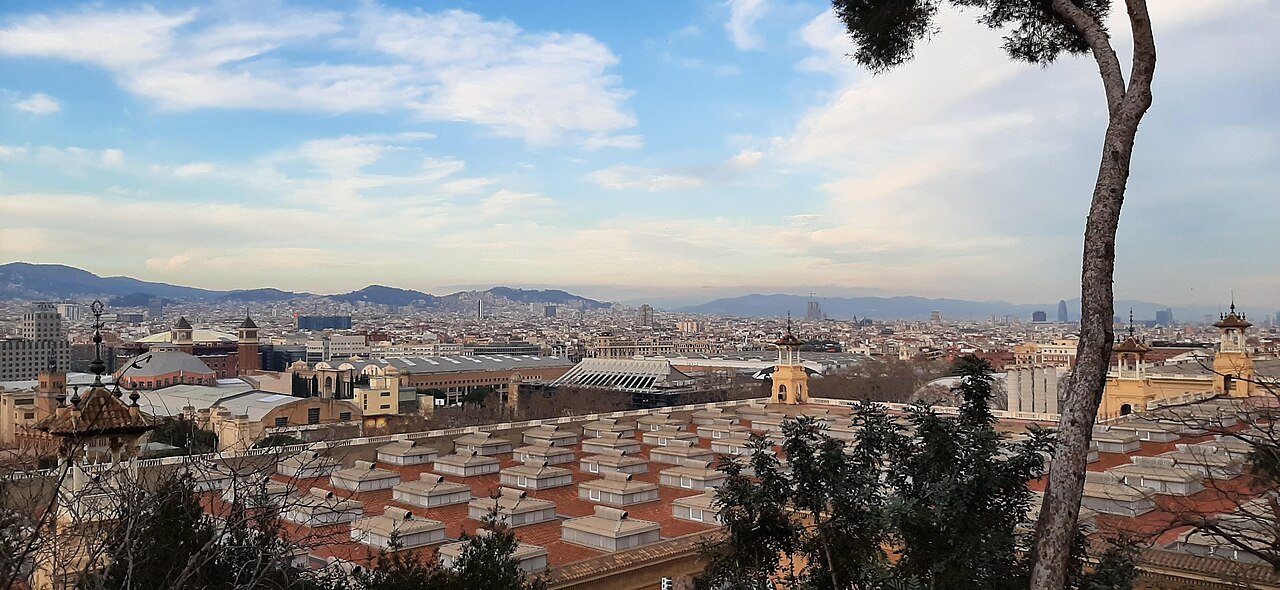

barcelona vs paris study abroad: Barcelona usually wins on cost, weather and daily-life ease. Paris wins on prestige, French immersion and cultural depth.
In this guide
Quick answer: Barcelona vs Paris Study Abroad
Choose Barcelona if budget, beach, Spanish access and an easier social landing matter most. Choose Paris if CV signal, French and elite institutions matter more than cost.
If you are choosing between Barcelona and Paris for your exchange semester, you are comparing two cities that appear on almost every exchange student’s shortlist — and for good reason. Both are top-3 Erasmus+ destinations by incoming students. Both have world-class universities, iconic student culture, and serious nightlife.
But they are very different in cost, language barrier, academic culture, and lifestyle. This comparison helps you decide.
Quick Comparison — Barcelona vs Paris at a Glance
| Factor | Barcelona | Paris |
|---|---|---|
| Monthly cost (all-in) | €1,000–1,400 | €1,500–1,900 |
| Private room rent | €550–850/month | €750–1,200/month |
| Language of instruction | Spanish / Catalan / English | French / English (limited) |
| Language barrier for daily life | Medium (Spanish useful) | High (French often required) |
| Climate | Mediterranean, 300+ sunny days | Continental, grey winters |
| Beach access | Yes — 15 minutes | No |
| Top institutions | Pompeu Fabra, UB, UPC | Sciences Po, Sorbonne, PSL |
| Erasmus+ grant tier | Group B (€500–600/mo) | Group B (€500–600/mo) |
| Best for | Budget, lifestyle, accessibility | Prestige, cultural depth, French |
Cost of Living — Barcelona Wins Clearly
Barcelona is approximately 25–35% cheaper than Paris for exchange students. The biggest gap is housing: a private room in a shared flat costs €550–850/month in Barcelona versus €750–1,200/month in Paris. University-provided housing is similarly cheaper in Barcelona.
Food costs are comparable if you cook — but eating out in Barcelona is cheaper, especially at lunchtime (menu del día: €10–14 for a full 3-course meal including a drink). In Paris a comparable lunch averages €16–22.
Both cities receive the same Erasmus+ grant (Group B: €500–600/month), so the entire cost gap comes from your own pocket.
See full cost breakdowns: Barcelona student guide | Paris student guide
Language Barrier
Barcelona: Spanish is the dominant spoken language, with Catalan co-official. Most courses at University of Barcelona, Pompeu Fabra, and UPC are available in Spanish or English. Basic Spanish (A2–B1) goes a long way in daily life. Almost all admin can be handled in English or Spanish.
Paris: French dominates everything — daily life, admin, university bureaucracy, and social interactions. English is spoken in tourist zones and international programs, but navigating housing contracts, banks, and local government (Sécurité Sociale, CAF, mairie) requires at least B1 French. Many courses at Sciences Po and top programs are available in English, but you will be limited socially if your French is weak.
Verdict: Barcelona is more accessible for students without language training. Paris rewards students who already have French or are committed to intensive learning.
Student Life & Social Culture
Barcelona: Extremely international, outdoor-focused, beach culture dominant. The Erasmus community is massive — ESN Barcelona runs events nearly every week. Social life centers on outdoor spaces, rooftop terraces, and a late-night club scene (midnight is early). High English-speaking accessibility.
Paris: More intellectual and culturally French. The city rewards students who engage with French culture — museums, cinema, philosophy cafés, Seine picnics. Less immediately accessible for students without French, but deeply rewarding for those who embrace it. Grandes écoles culture is more formal and academically intense.
University Quality & Academic Reputation
Barcelona: Universitat Pompeu Fabra consistently ranks top-200 globally and top-50 for young universities. University of Barcelona and UPC (Polytechnic) are also strong. Business, social sciences, architecture, and engineering are standout fields. See: Pompeu Fabra exchange guide.
Paris: Home to some of Europe’s most prestigious institutions — Sciences Po Paris, Sorbonne Université, HEC Paris, PSL University. A semester at Sciences Po or a grande école carries significant CV weight globally, especially for careers in diplomacy, consulting, and finance. See: Sciences Po exchange guide | Sorbonne exchange guide.
Climate & Weekend Travel
Barcelona: Mediterranean climate — 300+ sunny days/year, mild winters, warm spring and autumn. Beach access year-round. Weekend trips: Valencia (3h by train), Madrid (2.5h AVE), the Pyrenees (2h). Cheap flights from El Prat. See: Spain guide.
Paris: Variable continental climate — grey winters, beautiful spring. No beach. Exceptional weekend travel hub — CDG and Orly offer the widest choice of European destinations. High-speed rail to London (2.5h), Brussels (1.5h), Amsterdam (3.5h). See: France guide.
Verdict — Which Is Right for You?
| Choose Barcelona if… | Choose Paris if… |
|---|---|
| Budget is a primary constraint | Academic prestige matters for your CV |
| You want outdoor lifestyle + beach | You speak French or want to learn intensively |
| You prefer a social, accessible exchange | You want deep cultural immersion |
| Your Spanish is already functional | Your target program is Sciences Po, Sorbonne, or HEC |
| You want easier English access in daily life | You are comfortable with significantly higher living costs |
Also worth comparing: Berlin, Lisbon, and Amsterdam — all top-10 exchange destinations with very distinct profiles.
Not sure which city fits your profile? Take the Odisea Compass Test — it matches your study level, program type, language skills, and preferences to the best exchange city for you.
Frequently Asked Questions
Is Barcelona or Paris better for Erasmus+?
Both are excellent. Barcelona is better for budget-conscious students, those without French, and students who want Mediterranean lifestyle. Paris is better for students targeting prestigious French institutions or who already have strong French. The Erasmus+ grant is identical for both — Group B: €500–600/month.
How much more expensive is Paris than Barcelona for exchange students?
Paris is typically 25–40% more expensive overall. The biggest gap is housing: €200–400/month more for a comparable room. Over a 5-month semester expect to spend €1,000–2,000 more in Paris than Barcelona.
Do I need to speak French to study in Paris?
For daily life: at least B1 French significantly improves your experience. For academic programs: depends on your institution. Sciences Po and most grandes écoles offer some English-taught courses, but administrative processes (Sécurité Sociale, CAF housing benefit, mairie registration) require French. Budget extra time for admin if your French is weak.
Which city is easier for an exchange student — Barcelona or Paris?
Barcelona is generally easier to navigate for students who speak English or Spanish. English accessibility in daily life, admin, and social settings is much higher. Paris is more rewarding for students with French, but more frustrating without it — especially for practical admin tasks.
What are good alternatives to Barcelona and Paris for exchange students?
Madrid and Valencia are strong Spanish alternatives — Valencia is 20–25% cheaper than Barcelona with a similar climate. Berlin offers a comparable cultural richness to Paris at lower cost. Lisbon is increasingly popular as a budget-friendly Western European alternative with good weather.
Official sources for barcelona vs paris study abroad
Use these external resources to validate the numbers and rules in this barcelona vs paris study abroad guide.