

Featured guide
Aachen
A dense technical student city on the German-Belgian-Dutch border, anchored by RWTH Aachen and a strong applied-sciences layer.
Open guideCity-level guides focused on housing, transport, weather, safety, and everyday rhythms that shape student life outside the classroom.
A dense technical student city on the German-Belgian-Dutch border, anchored by RWTH Aachen and a strong applied-sciences layer.
Open guide
Denmark's strongest student-city alternative to Copenhagen: big university energy, a compact centre, beaches and forests nearby, and a calmer social scale.

Abu Dhabi is the UAE option for students who want a calmer capital, serious institutions, museums, business links and high perceived safety, but distance and housing choice define the semester.

The Netherlands' biggest international student magnet: beautiful, intense, English-friendly, expensive, and only worth it if you solve housing early.

Turkey's capital — a government and university city built around METU, with serious policy-and-politics energy, lower costs than Istanbul, and an easy, walkable student core around Kızılay.

Greece's biggest academic and cultural base: historic streets, major universities, late social life, metro access, and strong value if students avoid tourist traps.

A beautiful but non-traditional study base: Bali works best for students tied to Udayana or a short Asia programme who want tropical life, low food costs, and honest tradeoffs around scooters, traffic, and tourist-area housing.

Organized chaos. A sprawling, steamy megalopolis where golden temples, rooftop bars, and street food carts coexist in beautiful contradiction.

A coastal, design-heavy student city with global appeal, strong public transport, and one of Spain's most competitive rental markets.

Caribbean Colombia for exchange students: hot, social, culturally distinct and anchored by Uninorte's unusually strong incoming-student support.

The imperial, political, and cultural heart of China. It offers an unapologetically raw, traditional northern Chinese experience mixed with a massive tech boom.

Brazil's first planned modern city — home to Niemeyer's UNESCO-listed Pampulha complex, a buzzing boteco food scene, and UFMG, one of the country's top federal universities.

Norway's second city, wrapped around seven mountains and famous fjords, where rain is a running joke and student life is dense, social and outdoorsy.

A huge, creative, internationally magnetic student city where meeting people is easy but finding the right room is the real first test.

Switzerland's federal capital: a compact UNESCO old town on a bend of the Aare river, home to the University of Bern and Bern University of Applied Sciences, with a calmer, less touristic feel than Zürich or Geneva.

Colombia's academic capital: high-altitude, intense, museum-rich and best for students who want serious Spanish immersion and a dense university ecosystem.

Probably Italy's most student-shaped city: historic, walkable, politically lively, food-obsessed, and built around one of Europe's oldest universities.

A polished, riverfront Erasmus city with strong campus life around Pessac-Talence-Gradignan, a walkable historic center, Atlantic weekend trips, and a calmer rhythm than Paris or Lyon.

Brazil's planned federal capital — a UNESCO World Heritage modernist landscape by Niemeyer and Lúcio Costa, ranked the second-safest capital in Brazil, and home to UnB, one of the country's top research universities.

Bremen is a compact German study abroad city where Constructor University gives Bremen-Nord a very international campus anchor, while the centre adds trams, the Weser, Schnoor, Freimarkt and a more manageable housing market than Berlin or Munich.

Warm, river-based student city with UQ and QUT: cheaper than Sydney, easier outdoor life, and a calmer exchange rhythm.

A creative, green, and independent student hub in South West England — home to a prestigious Russell Group university, legendary street art, and a thriving live music scene.

The Czech Republic's easier student city: strong universities, lower pressure than Prague, a real cafe and bar scene, and fast access to Vienna, Bratislava, and South Moravia.

EU institutional capital and Belgium's most international city: ULB, VUB, and KU Leuven Brussels deliver the country's deepest English-taught master catalogue, 35% of residents are foreign, and weekend trains reach Paris and Amsterdam in under 2 hours.

Hungary's capital and student capital: a full European-city experience — thermal baths, ruin bars, Danube views — at a fraction of Western-European cost, if you lock in housing early.

A high-energy Latin American capital for exchange students: late dinners, tango, theatre, public universities, and a social rhythm that rewards patience.

Canberra is a compact Australian capital for exchange students who want ANU-level academics, safer routines, planned housing and nature within easy reach.

Known as the Mother City, Cape Town offers exchange students a stunning mix of ocean, mountains, and diverse culture.

Northern Thailand's calmer student base: cheaper and more cultural than Bangkok, strong around CMU and Nimman, but the scooter question and burning season are not optional details.

A major US city for exchange students who want architecture, food, lakefront culture, and big-city campus life, with serious winter planning required.

Portugal's oldest university city and Europe's purest student town: 700+ years of academic tradition, medieval hilltop campus, cheap rent, and the most immersive Erasmus experience in the country.

A friendlier-feeling German student city with a strong university base, easier social warmth than Munich, and a daily rhythm that feels more approachable for many exchange students.
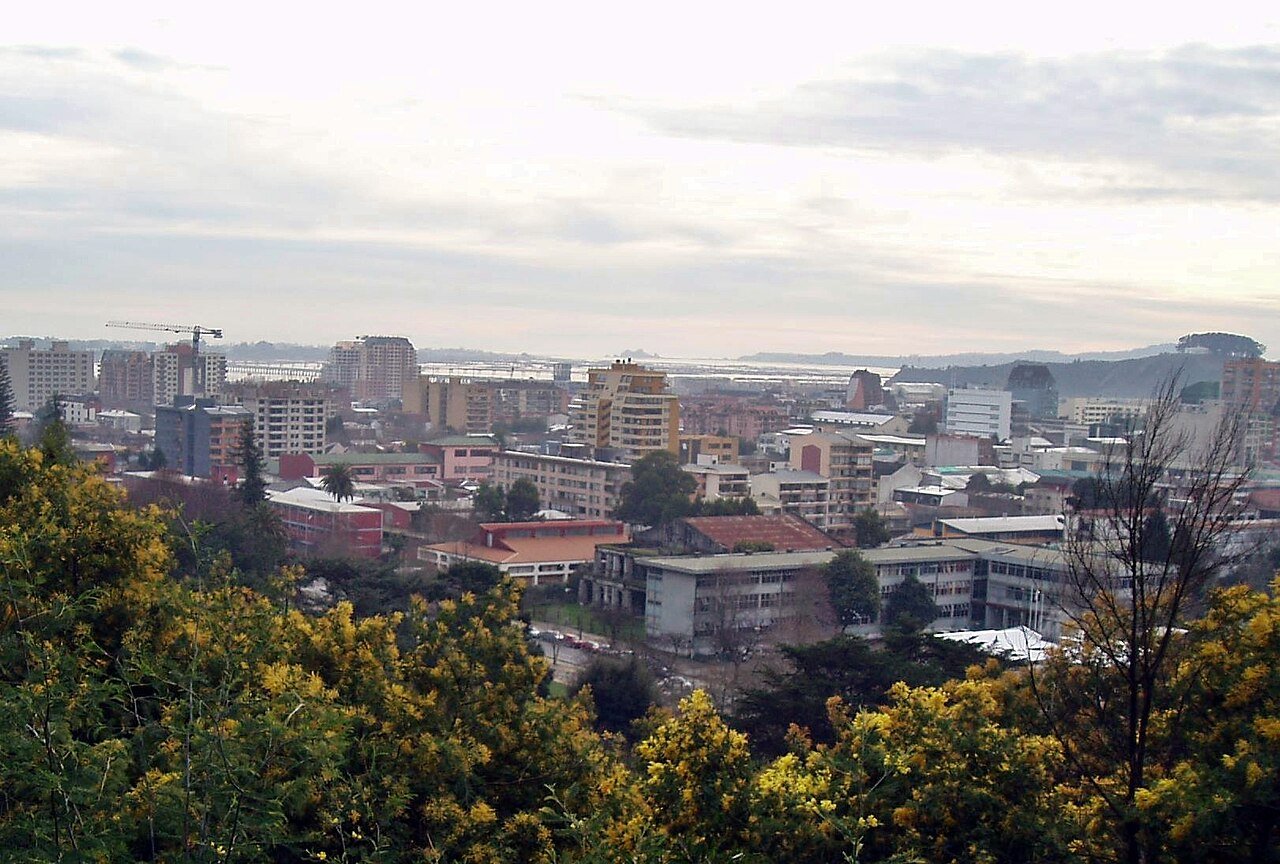
A classic Chilean university city: greener, rainier, cheaper than Santiago and strongly anchored by Universidad de Concepcion.

Denmark's polished capital: world-class universities, bike-first daily life, strong English, serious design culture, and high costs that reward early housing planning.

Argentina's ultimate student city. The UNC campus dominates the social and cultural life of this charming, affordable city.

A compact, friendly southern Irish student city with strong universities, good food culture, live music, and lower pressure than Dublin, though housing still needs planning.

Coventry is a practical UK exchange city with Coventry University in the centre, Warwick close by, cheaper housing than London and a busy student bus network.

Hungary's 2nd-largest city and home to the country's biggest university — a calmer, cheaper alternative to Budapest with its own thermal baths, a huge student-town energy and the Campus Festival on its doorstep.

Dubai is the UAE study abroad hub for students who want English-taught campuses, internships, business networks and global-city energy, but housing and transport must be planned with brutal honesty.

Ireland's biggest academic and social hub: English-speaking, full of societies and career links, but defined by one hard rule for students: solve housing early.

Scotland's capital and one of Europe's most beautiful student cities: castle skyline, 4-year Scottish degree system, world-class University of Edinburgh, and the Fringe Festival on your doorstep every August.

The Netherlands' tech and design capital, built on Philips' old factories — home to one of Europe's top technical universities and a genuinely international, English-friendly student scene.

Luxembourg's most important student-campus city: Belval puts University of Luxembourg, Rockhal, industrial heritage, free transport and south-Luxembourg housing trade-offs in one practical base.

Famagusta is Cyprus's EMU-led student city on the eastern coast: international, campus-first, cheaper than many Western European destinations, and best understood as a Cyprus city guide with north-side arrival and residence details.

An island capital ringed by 42 beaches — Brazil's safest state capital, a growing tech hub, and home to UFSC, one of the country's top federal universities.

Germany's financial capital and only real skyline — a compact, wealthy, highly international city built around one of the country's largest research universities.

Ireland's west-coast student classic: compact, musical, friendly, walkable, and easier to enter socially than Dublin, though housing still needs early action.

Switzerland's diplomatic capital: a compact, French-speaking lakeside city hosting the UN and dozens of international organisations, home to UNIGE and the Geneva Graduate Institute, with very high living costs and an unusually international student body.

Belgium's most underrated student city: 75,000 students, Ghent University in the QS top 150, a medieval canal-laced centre that goes fully car-free, and the famous Gentse Feesten — the largest free city festival in Europe.

Scotland's largest and friendliest city — a major cultural hub famous for its legendary live music scene, Victorian architecture, and world-class universities.

Sweden's second city and west-coast student hub: 60,000 students at University of Gothenburg and Chalmers University of Technology, lower rents than Stockholm, and the gateway to Bohuslan archipelago and Norway.

A classic Erasmus city with UGR at the center of daily life, lower rents than Spain's biggest hubs, tapas culture, mountain access, and a very social student rhythm.

Austria's second-largest city and southern student capital: a UNESCO Renaissance old town, four major universities, lower rents than Vienna, and the warmest climate in Austria.

The Netherlands' clearest student-city experience outside the Randstad: bikes, 50,000+ students, strong English-taught options, and serious housing pressure.

Mexico's cultural heart and tech hub. Birthplace of mariachi and tequila, with a booming startup scene.

Southern China's trade and manufacturing capital on the Pearl River — cheaper than Beijing or Shanghai, less touristy, and home to one of China's strongest comprehensive universities.

A perfectly preserved Baroque old town midway between Budapest and Vienna — a growing, industry-linked university city with one of Hungary's fastest-expanding international student populations.

Germany's second-largest city and biggest port — a green, watery, media and trade hub with one of the country's largest and most international student populations.

China's tech capital outside Beijing — home to Alibaba, a UNESCO-listed West Lake, and one of the country's top-ranked universities, at a noticeably gentler pace than Shanghai.

Vietnam's thousand-year-old capital: a maze of trading-guild streets, lakeside cafes and motorbike-powered energy where exchange students trade European campus life for one of Asia's cheapest, most walkable historic centres.

Finland's compact, design-led seaside capital: top universities, saunas and islands on the doorstep, the safest big city you'll study in — if your budget can take the rent.

Hong Kong for students: MTR, campus-based housing choices, HKD costs, subtropical weather, strong perceived safety and key universities including CityUHK, HKU and HKUST.

Alpine capital of Tyrol: Olympic-twice ski city wrapped around a Baroque old town, with a top research university and Europe's most ridiculous campus-to-mountain access.

The city across two continents — Turkey's Erasmus capital, with extraordinary food, history on every corner, low costs for euro-holders, and a buzzing student life.

Turkey's laid-back Aegean coastal city — a seafront promenade, ancient ruins, and a big student population around Ege and Dokuz Eylül universities, at a noticeably gentler pace than Istanbul.

Indonesia's serious urban exchange base: best for Universitas Indonesia and business/ASEAN-focused students who can handle traffic, humidity, malls, commuter rail, and a megacity rhythm.
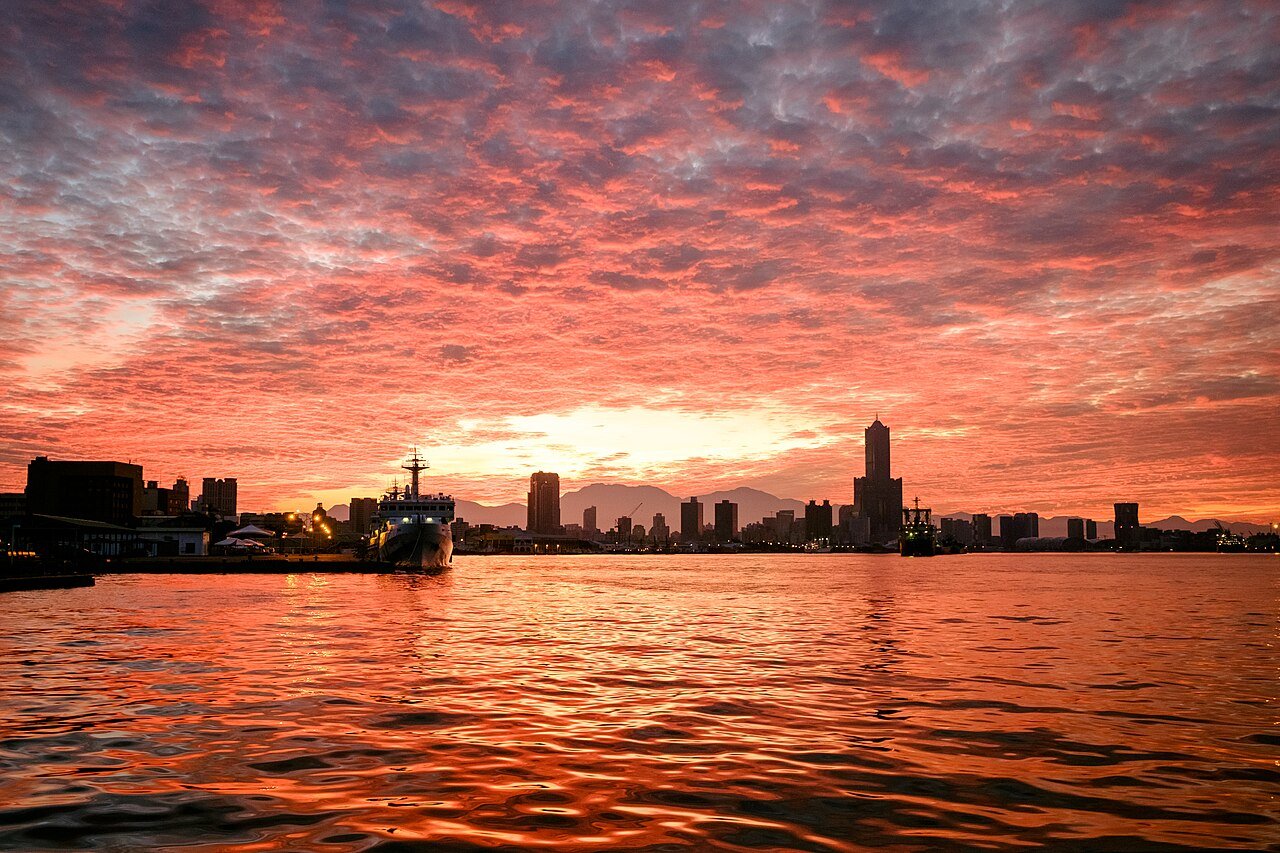
Southern Taiwan's port city for exchange students: lower costs, warm weather, harbor culture, metro access and a rare beach-and-mountain campus at NSYSU.

The Tatarstan capital where Russian and Tatar Muslim cultures meet — a UNESCO kremlin, a lively student scene, and noticeably lower costs than Moscow or Saint Petersburg.

Slovenia's Adriatic university town — a Venetian-Gothic old port with a Mediterranean climate, the University of Primorska, and Piran and Italy on the doorstep.

Poland's cultural capital and number-one student destination: a UNESCO old town, dense Erasmus community, exceptional bar/club scene in Kazimierz, and the cheapest mid-size European city for students.

The ancient imperial capital. 2,000 temples, zen gardens, and geisha culture — the spiritual heart of Japan for students of arts, history, and traditional culture.

Lausanne is a high-quality Swiss student city shaped by EPFL, UNIL, Lake Geneva, the M1 metro and a competitive housing market.

A major financial and student hub in Yorkshire, offering a compact single-site campus, legendary student nightlife, and a highly affordable cost of living.

A small, canal-lined former Dutch capital built almost entirely around its 450-year-old university — quieter than Amsterdam, cheaper than Utrecht, and a short train ride from both.

The textbook student town: 60,000+ students in a city of 100,000, KU Leuven (Belgium's #1 university, founded 1425), and 25 minutes by direct train to Brussels.

A friendly northern Erasmus base with big student energy, quick metro links, lower pressure than Paris, and weekend access to Belgium, London connections, and the wider Hauts-de-France region.

A coastal megacity where world-class ceviche, colonial plazas and Pacific sunsets sit a short bus ride from PUCP - if you plan your district and your commute with care.

Portugal's capital and its largest international student hub: Atlantic light, tiled facades, a booming English-speaking tech scene, and a student lifestyle balanced between hillside neighbourhoods and a 40-minute beach reach.

Slovenia's compact, green and car-light capital — a walkable student city on the Ljubljanica river, cheap by EU standards and within two hours of the Alps and the Adriatic.
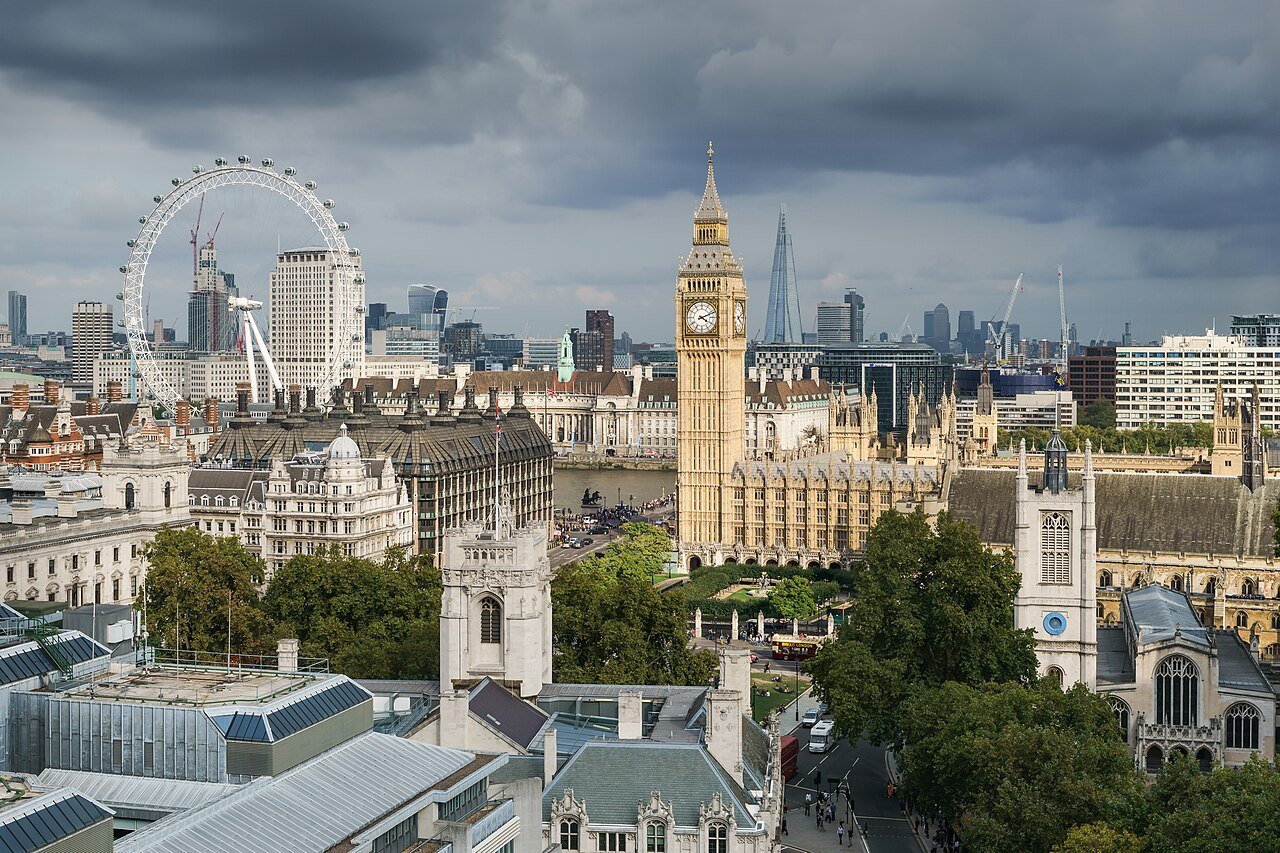
The world's most globally connected student city: home to UCL, King's, LSE, Imperial, and 40+ universities hosting 400,000+ international students — at Europe's highest rent and its densest cultural calendar.

Sun, surf, and endless entertainment, but spread out over a massive, car-dependent sprawl.

Lugano is Switzerland’s Italian-speaking student city: USI, SUPSI, lake life, Arcobaleno transport and a smaller but very international campus rhythm.

Sweden's iconic student town: 40,000 students in a city of 95,000, Lund University (founded 1666, QS top 100), the unique student nation system, and 35 minutes from Copenhagen by Oresund train.

Luton is a value-focused UK student base built around the University of Bedfordshire, London links, airport access and town-centre practicality.

A multilingual capital for students who want EU-institution energy, strong public transport, Kirchberg and Limpertsberg campus access, and a high-quality but expensive daily routine.

France's big-city Erasmus choice without Paris intensity: strong universities, serious food culture, reliable metro and tram links, and easy weekend access to the Alps, Geneva, and southern France.

A compact, border-hopping student city where Maastricht University makes international life unusually visible in everyday streets, cafes, and housing queues.

Macao is a compact, high-density study abroad city where international students get a Greater Bay Area academic base, late-night food streets, Portuguese-Chinese heritage and a fast commute between Taipa, Cotai and the historic centre.

Spain's biggest exchange hub: strong universities, late-night social life, fast domestic travel, and a housing market that rewards students who start early.

A practical student guide to Malmö: Malmö University, housing routes, realistic costs, neighbourhoods and daily life across the Öresund region.

The UK's most student-dense city: 100,000+ students across 4 major universities, legendary music and football culture, and Russell Group quality at half of London's rent.

Slovenia's affordable, laid-back second city — a wine-country capital on the Drava with the country's most international university and ski slopes on its doorstep.

A warmer, rougher, more lived-in French exchange option: sea, day trips, strong identity, and more breathing room than Paris if you want a semester with texture instead of polish.

Colombia's easiest big city for exchange daily life: metro-connected, warmer, social and a strong fit for EAFIT students.

Australia's most student-coded big city: dense campuses, coffee culture, trams, live music, and intense but slightly more manageable housing than Sydney.

Yucatán's safe, colonial-heritage capital — a calm, walkable base for exchange students who want Maya history, cenote day trips, and one of Mexico's lowest-crime big cities, with serious year-round heat as the tradeoff.

One of the world's great megacities. Unbeatable food, world-class museums, and a thriving student scene at a fraction of European costs.

Italy's most career-oriented exchange city: expensive by Italian standards, but powerful for design, fashion, business, engineering, and international networking.

Mexico's industrial powerhouse and business capital. Modern, wealthy, and home to the prestigious Tec de Monterrey.

One of France's most student-heavy cities: sunny, walkable, social, and usually easier to enjoy day to day than Paris if you want warmth, beaches, and a tighter student scene.

Canada's most student-centered French-speaking city: lower rents than Toronto, a huge university ecosystem, and a culture built around festivals, cafes, and walkable neighborhoods.

Russia's vast, fast capital — world-class universities, an underground palace of a metro, and very low daily costs, offset by the post-2022 payments and mobility reality.

Organized, polished, expensive, and academically strong: Munich suits exchange students who want quality of life and are ready to plan carefully around rent.

A former imperial capital on the Yangtze, ringed by an intact Ming-dynasty city wall — cheaper and calmer than Shanghai, with one of China's oldest and most research-heavy universities.

Capital of Rio Grande do Norte and Brazil's 'City of the Sun' — famous for the Ponta Negra beach and Morro do Careca dune, the lowest homicide rate of any Northeast capital, and UFRN, a tuition-free federal university.

The city that never sleeps. Fast-paced, incredibly expensive, but offers unparalleled cultural and professional exposure.

South Nicosia is the Republic of Cyprus capital base: UNIC, UCY, EUC and Frederick shape student life, with the Green Line, heat and housing as the practical checks.

North Nicosia/Lefkosa is the north side of the divided capital: NEU and CIU give it international scale, but visa, permit, insurance, currency and recognition must be checked separately.

A UNESCO-listed historic centre with a genuine student-city rhythm — cheaper than Prague, home to the Czech Republic's second-oldest university and a famously large student population relative to its size.

Japan's kitchen and comedy capital. Louder, warmer, and more relaxed than Tokyo — the best place to experience Japanese street food culture.

A compact, green, and rapidly growing capital where urban life seamlessly blends with forests and fjords.

A compact, arcaded university city 25 minutes from Venice by train — home to one of Europe's oldest universities and one of Italy's cheapest genuine student scenes.

The most iconic student city in the world: world-class universities, unbeatable culture, subsidised meals, and a metro that goes everywhere — if you can afford the rent.

A lower-cost Greek student city with a serious university, port energy, carnival culture, and easier daily routines than Athens or Thessaloniki.

A 2010 European Capital of Culture with a genuinely mild climate for Central Europe — cheaper than Budapest, home to Hungary's oldest university and a lively, art-driven student scene.

The birthplace of Pilsner beer, an hour from Prague by train — a compact, affordable Czech city built around one of the country's leading technical universities.

Portugal's second city and its most authentic student capital: dramatic Douro river setting, cheaper rent than Lisbon, wild nightlife in Baixa, and one of Europe's best Erasmus atmospheres.

Central Europe's classic exchange capital: major universities, a dense tram and metro network, beautiful everyday scenery, and student costs that are still workable if you avoid tourist pricing.

A colonial-baroque capital famous for Talavera tilework, mole poblano, and the Battle of Puebla — home to two very different exchange experiences: BUAP's urban campus in the city, and UDLAP's suburban campus next to the Great Pyramid of Cholula.

Rainforest mountains, world-famous beaches, and samba culture wrapped around a major university city — Rio is Brazil's most iconic exchange destination.

Live inside a 2,700-year-old open-air museum: big public universities, affordable student life, subsidised canteens, and a rhythm that treats long lunches and late dinners as daily infrastructure.

Birthplace of Messi and Che Guevara. A smaller, calmer riverside city with a strong student community.

The Netherlands' sharper, cheaper-feeling alternative to Amsterdam: modern, international, practical, and strong for business, design, logistics, architecture, and city life.

Russia's imperial cultural capital — canals, palaces, the Hermitage, and the famous White Nights — with strong universities and a slightly gentler pace than Moscow.

A compact, affordable university city built around Spanish practice, historic streets, student nightlife, and one of Spain's most famous academic identities.
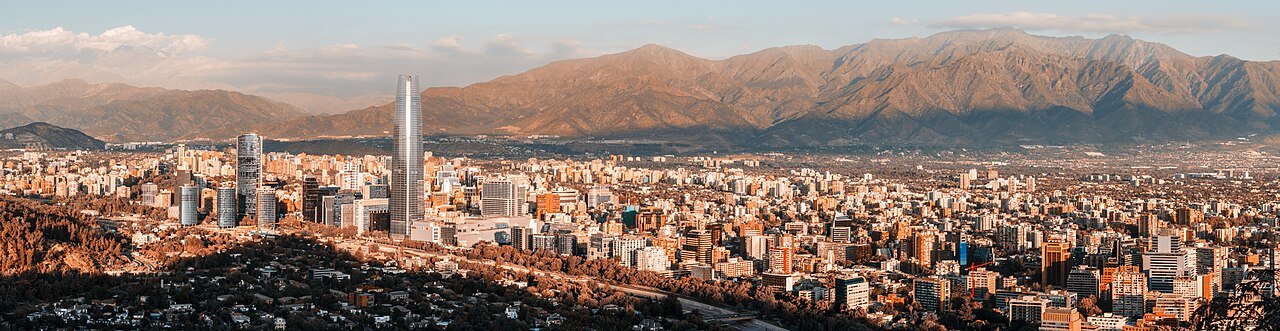
Chile's academic and transport hub: serious universities, mountain views, higher costs and the easiest city for exchange logistics.

Brazil's economic and academic powerhouse — a sprawling, fast-moving megacity with the country's top-ranked universities, the deepest job market, and a food and nightlife scene to match its size.

A fast, safe, high-pressure student capital where the real decision is campus area: Sinchon/Hongdae for Yonsei-Sogang, Anam for Korea University, Gwanak for SNU, and budget discipline everywhere.

A warm, sociable Andalusian Erasmus base with big-university scale, strong bike and bus options, Semana Santa and Feria intensity, and summer heat that shapes daily life.

China's most international, fast-paced commercial hub. A glittering skyline, deep colonial history, and a much softer entry point for foreigners.

Sharjah is the UAE city for students who want a real campus environment, AUS, University City, culture, museums and a lower cost base than Dubai, with easy but not always cheap Dubai access.

A clean, safe, expensive, ultra-efficient study base where the student decision is simple: secure campus housing or budget carefully, use MRT daily, and treat hawker centres as your financial survival system.

A historic, oak-lined wine-country town built around Stellenbosch University — walkable, student-dense, and 45 minutes from Cape Town.

Sweden's capital and academic hub: Stockholm University, KTH Royal Institute of Technology, Karolinska Institutet, and SSE all in one city, with English-taught masters across the board and an archipelago of 30,000 islands at the doorstep.

Australia's most recognisable exchange city: strong universities, beach-to-campus lifestyle, high rents, and a huge international student ecosystem.

Hungary's sunniest city and paprika capital, built around a grand Cathedral Square and one of the country's strongest science/medicine universities — with its own giant student festival, SZIN, every August.
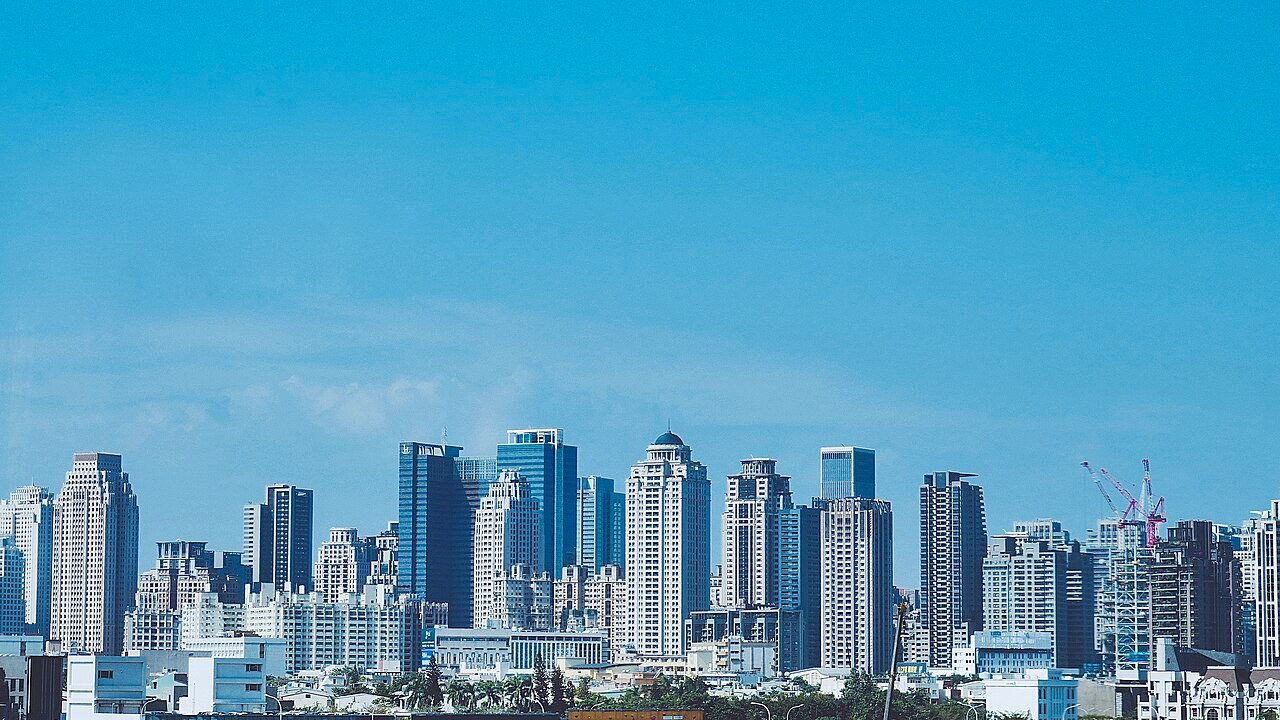
A warmer, cheaper and more relaxed Taiwan base with strong life-science and engineering options, creative districts and a more local student rhythm.
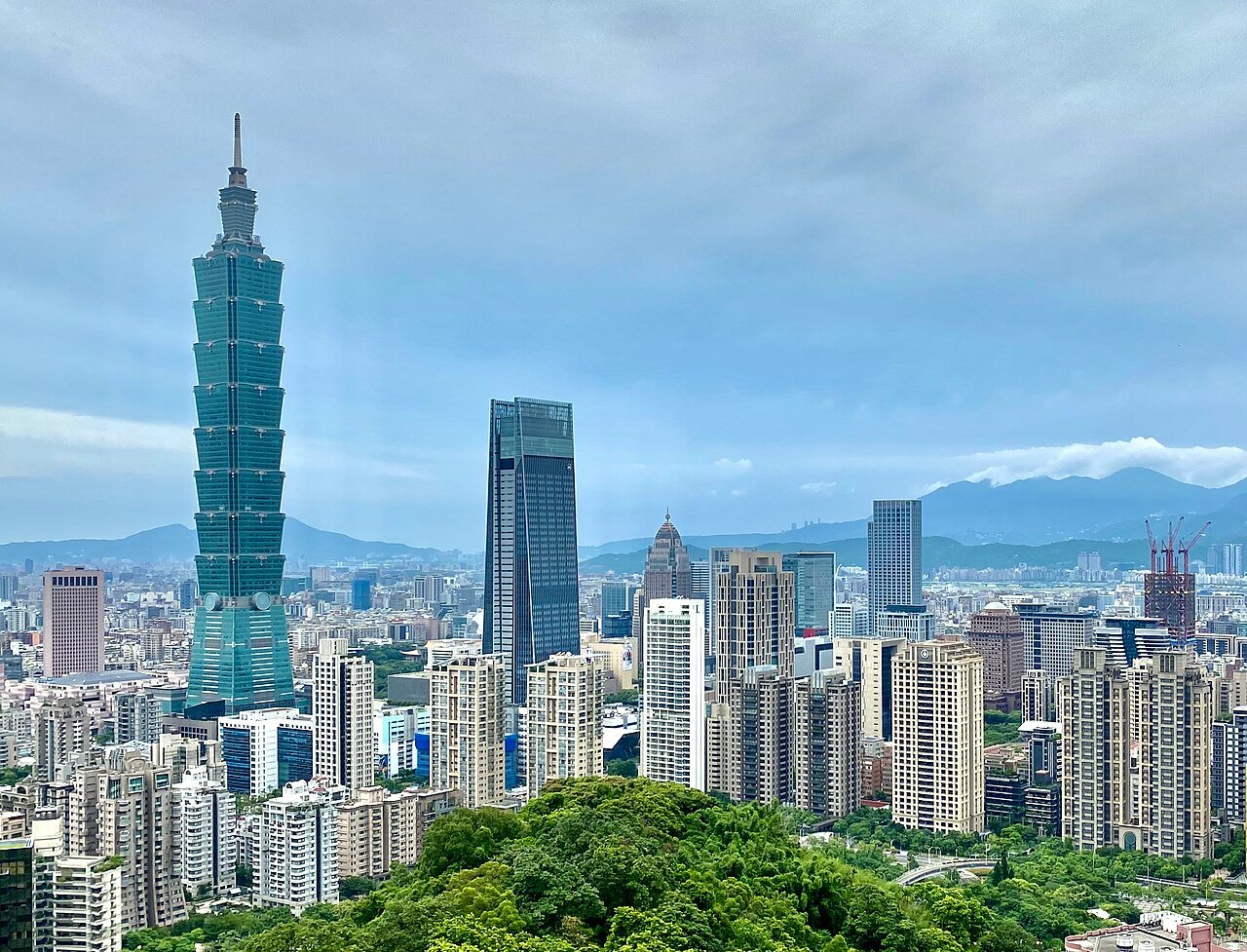
Taiwan's easiest landing city for exchange students: strong universities, MRT access, Mandarin immersion, international food and the highest student costs on the island.

A compact, walkable Baltic capital where a UNESCO medieval old town sits minutes from a genuine tech and startup scene — small, digital-first, and easy to navigate once winter's short days stop surprising you.

Finland's friendly second city and self-styled sauna capital: lakes on both sides, a big student scene, cheaper than Helsinki and easy to settle into.

Greece's most student-feeling big city: a waterfront lifestyle, Aristotle University scale, lower pressure than Athens, and nightlife that is easy to join.

A dense, efficient metro region where exchange students can combine Japanese campus life, late-night districts, quiet neighborhoods, and careful transit planning.

Canada's most global student city: high opportunity, high costs, strong campus ecosystem.

A practical Erasmus favorite in southern France: strong student volume, lower pressure than Paris, good weather, and a city center that still feels active without being overwhelming.

Norway's tech and science capital, home to NTNU and a student population so dense it shapes the whole city — anchored by the medieval Nidaros Cathedral.

A lower-key northern Italian student city with a huge university base, strong engineering pull, good public transport, and Alpine weekend access.

Finland's oldest city: a riverside, bilingual student town that's the gateway to the archipelago — cheaper than Helsinki with one in five residents a student.

A compact, beautiful, highly student-heavy Dutch city: easier to love than Amsterdam, but not much easier for housing.

Spain's most balanced exchange city: beach access, a huge Erasmus crowd, lighter rent pressure than Madrid or Barcelona, and an easy everyday rhythm.

Malta's fortified, UNESCO-listed capital is tiny — most exchange students actually live and study a short bus ride away in Msida, Gzira, or Sliema, and treat Valletta as the island's cultural and administrative heart.
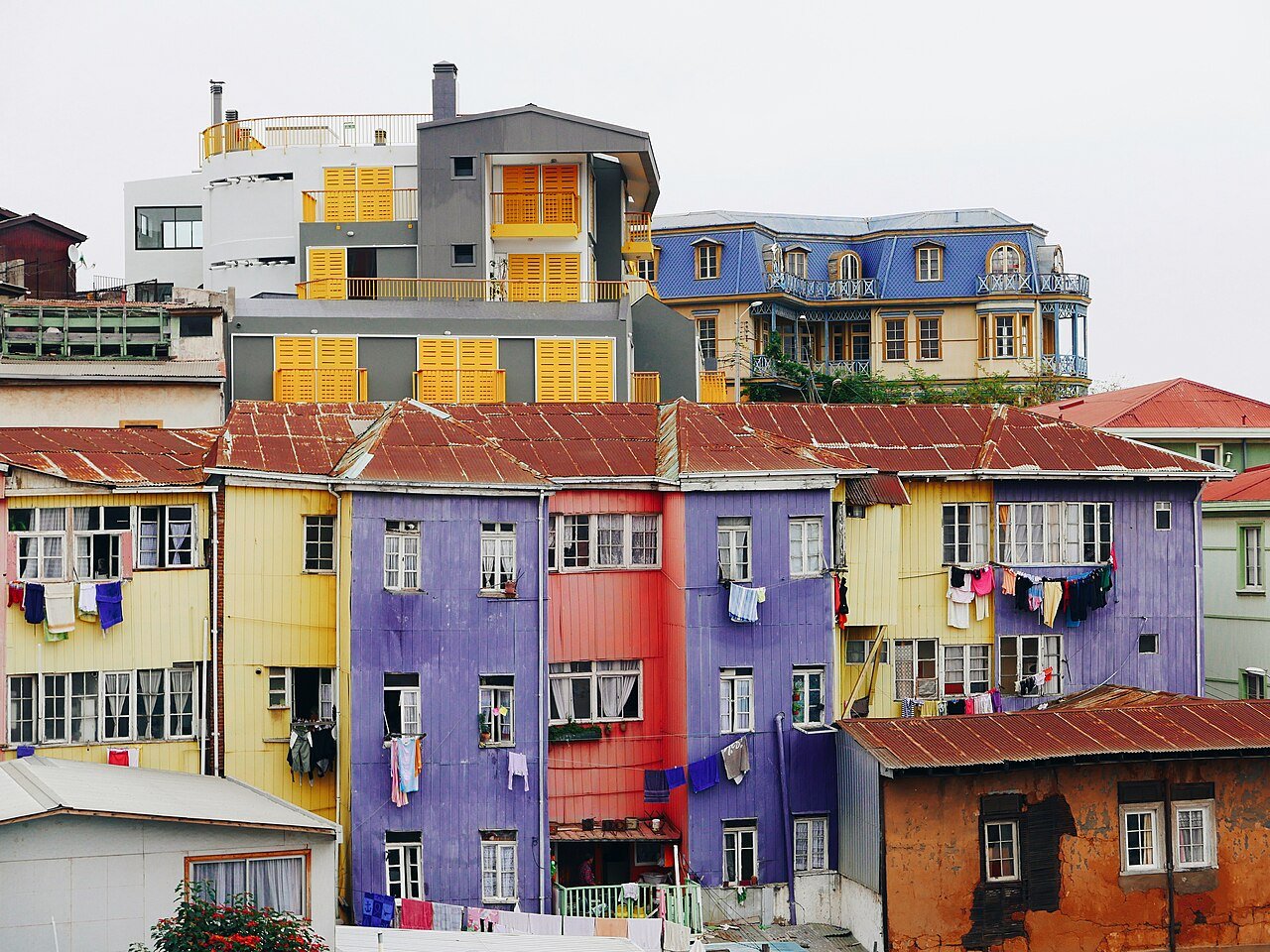
A coastal, hilly, arts-heavy student city for Spanish immersion, PUCV-style exchange and a very different rhythm from Santiago.

A dream setting with a hard housing market: spectacular nature, strong universities, and high day-to-day quality if you understand early that rent and room scams shape the semester.

Studying on a car-free island city of canals is exactly as strange and wonderful as it sounds — expensive by Italian standards, but unlike anywhere else you could spend a semester.

World's most liveable city and Austria's academic centre: nine major universities, 200,000+ students, world-class public transport, and the deepest English-taught programme catalogue in the German-speaking world.

Poland's capital and economic engine: rebuilt postwar with bold modern architecture, the country's strongest IT and business university scene, and the best cultural infrastructure outside Krakow.

Lower Silesia's vibrant student capital: 12 islands, 200+ bridges, a colourful market square, and Poland's strongest tech-corridor university scene outside Warsaw.

Croatia's compact, walkable capital pairs the country's largest university with a coffee-terrace pace of life, a UNESCO-worthy Christmas market, and a coastline four to six hours away by bus.

Switzerland's largest city: a compact, lake-and-river hub for ETH Zürich and UZH, with world-class transit, very high living costs, and an easy mix of Alpine day trips and city life.
Nothing matches that search. Try another spelling or clear the box.