
study abroad budget: Budget works only when rent, transport, food and grant gap are compared city by city, not averaged into one fake Europe number.
In this guide
Quick answer: Study Abroad Budget
Start with rent, then add food, transport, insurance, flights and a buffer. The same grant can feel generous in Krakow and tight in Amsterdam or Paris.
Money is one of the top sources of stress for exchange students — but it does not have to be. This guide gives you real monthly cost estimates for 28 cities across Europe and North America so you can plan your semester abroad budget before you book a flight.
All figures are based on a typical exchange student lifestyle: shared apartment (not student hall), cooking at home 70% of the time, using public transport, and going out 2–3 times per week.
How Your Budget Breaks Down
| Category | Typical Share | Notes |
|---|---|---|
| Housing | 45–55% | Biggest variable — shared rooms vs private, central vs suburb |
| Food | 20–25% | Groceries + occasional restaurant |
| Transport | 8–12% | Monthly pass or bike |
| Leisure | 10–15% | Going out, travel, culture |
| Phone + misc | 5–8% | SIM, laundry, personal care |
One-time setup costs (bedding, kitchenware, transit card deposit) typically add €100–300 in your first month.
Budget Tier 1 — Under €900/month (Best Value)
Wroclaw, Poland — €630–780/month
Shared room: €280–420 | Food: €170–220 | Transport: €15 | Leisure: €80–120
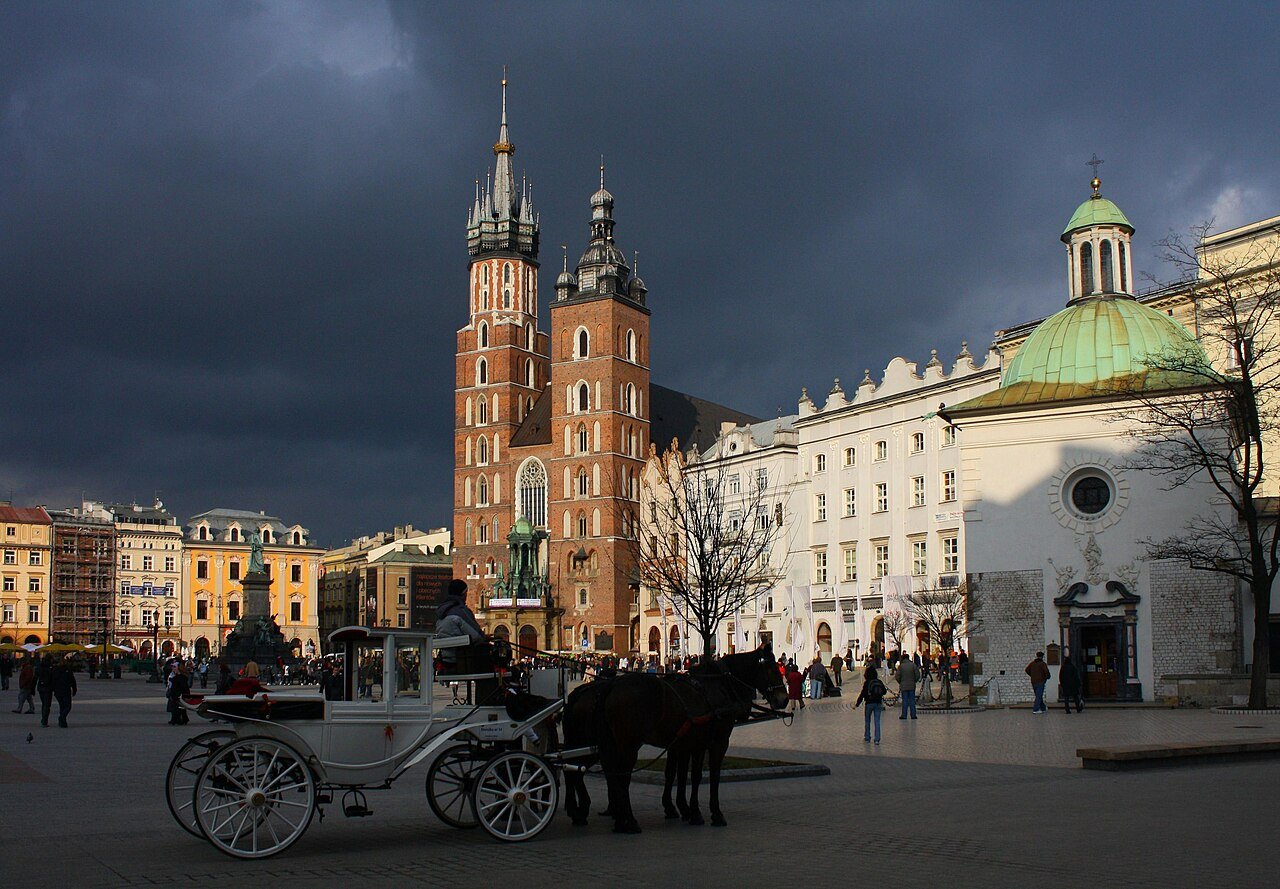
Krakow, Poland — €650–800/month
Shared room: €300–450 | Food: €180–230 | Transport: €15 | Leisure: €100–130
Porto, Portugal — €750–900/month
Shared room: €400–550 | Food: €200–250 | Transport: €30 | Leisure: €100–150
Graz, Austria — €800–950/month
Shared room: €400–550 | Food: €220–260 | Transport: €29 (semester ticket) | Leisure: €100–150
Innsbruck, Austria — €820–970/month
Shared room: €420–570 | Food: €220–260 | Transport: €29 | Leisure: €100–150
Budget Tier 2 — €900–1,200/month (Mid-Range)
Lisbon, Portugal — €950–1,200/month
Shared room: €550–750 | Food: €220–270 | Transport: €35 | Leisure: €120–180
Bologna, Italy — €900–1,100/month
Shared room: €500–650 | Food: €200–250 | Transport: €15 | Leisure: €100–160
Valencia, Spain — €900–1,100/month
Shared room: €450–600 | Food: €210–260 | Transport: €25 | Leisure: €120–170
Madrid, Spain — €1,000–1,250/month
Shared room: €550–750 | Food: €230–280 | Transport: €35 | Leisure: €130–180
Cologne, Germany — €950–1,150/month
Shared room: €500–650 | Food: €220–270 | Transport: €30 | Leisure: €100–150
Vienna, Austria — €1,050–1,300/month
Shared room: €550–750 | Food: €240–290 | Transport: €29 | Leisure: €120–180
Toulouse, France — €980–1,200/month
Shared room: €500–680 | Food: €220–270 | Transport: €33 | Leisure: €100–150
Gothenburg, Sweden — €1,000–1,200/month
Shared room: ~SEK 5,000–7,000 (€450–640) | Food: €230 | Transport: €36 | Leisure: €120–160
Lund, Sweden — €980–1,150/month
Shared room: ~SEK 4,500–6,500 (€415–600) | Food: €220–260 | Transport: €30–40 | Leisure: €100–140
Budget Tier 3 — €1,200–1,600/month (Higher Cost)
Barcelona, Spain — €1,100–1,400/month
Shared room: €600–850 | Food: €240–290 | Transport: €35 | Leisure: €150–200
Berlin, Germany — €1,050–1,350/month
Shared room: €600–850 | Food: €240–290 | Transport: €29 (Semesterticket) | Leisure: €130–180
Rotterdam, Netherlands — €1,150–1,400/month
Shared room: €600–800 | Food: €250–300 | Transport: €50 | Leisure: €120–170
Milan, Italy — €1,200–1,500/month
Shared room: €700–950 | Food: €250–300 | Transport: €38 | Leisure: €150–200
Brussels, Belgium — €1,150–1,450/month
Shared room: €600–850 | Food: €250–300 | Transport: €50 | Leisure: €130–180
Edinburgh, Scotland — €1,200–1,500/month
Shared room: ~£600–850 (€700–990) | Food: ~£230 | Transport: ~£55 | Leisure: ~£150
Stockholm, Sweden — €1,300–1,600/month
Shared room: ~SEK 7,000–9,500 (€640–870) | Food: €260 | Transport: €82 | Leisure: €150–190
Budget Tier 4 — €1,500–2,200/month (Premium Cities)
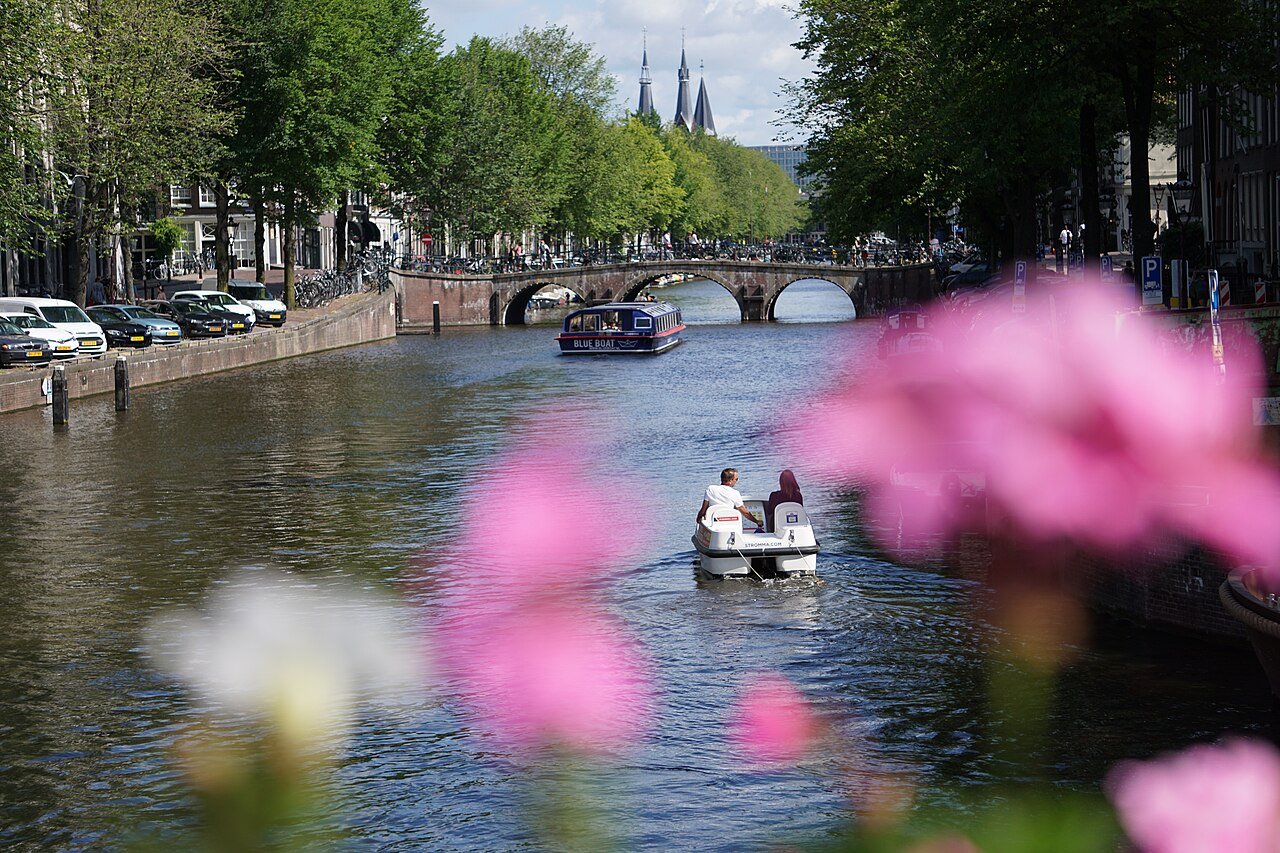
Amsterdam, Netherlands — €1,400–1,800/month
Shared room: €800–1,200 | Food: €270–330 | Transport: €50 | Leisure: €160–220
Paris, France — €1,400–1,900/month
Shared room: €800–1,200 | Food: €270–330 | Transport: €35 (Navigo) | Leisure: €160–220
London, UK — €1,800–2,500/month
Shared room: ~£900–1,400 (€1,050–1,630) | Food: ~£280 | Transport: ~£100 (Zone 1–2)
Montreal, Canada — €1,100–1,500/month
Shared room: ~CAD 900–1,300 (€620–900) | Food: ~CAD 400 | Transport: ~CAD 98
Toronto, Canada — €1,400–1,900/month
Shared room: ~CAD 1,300–1,800 (€900–1,250) | Food: ~CAD 450 | Transport: ~CAD 143
Vancouver, Canada — €1,500–2,000/month
Shared room: ~CAD 1,400–2,000 (€970–1,385) | Food: ~CAD 450 | Transport: ~CAD 115
How to Reduce Costs Without Sacrificing Experience
- Housing: University halls are almost always cheaper than private market — and include bills. Apply on day one of acceptance.
- Food: Weekly grocery shop at Lidl, Aldi, Carrefour, Biedronka, or Dia costs €40–60. University canteens offer subsidized meals (€3–5) — use them.
- Transport: In Germany, the Semesterticket covers all city public transport. In France and Spain, student transport discounts apply with a valid student card.
- Leisure: Student cards get you major discounts on museums, cinema and concerts. Get yours from the international office on day one.
- Erasmus+ grant: If on Erasmus+, your grant (€250–700/month) partially offsets living costs — roughly 20–50% of typical monthly spend.
Frequently Asked Questions
How much money do I need for a semester abroad?
For a 5-month semester: €3,500–4,500 in budget cities (Warsaw, Krakow, Porto), €5,000–7,000 in mid-range cities (Berlin, Barcelona, Lisbon), and €7,000–12,000 in premium cities (Paris, Amsterdam, London).
Does Erasmus+ cover all my costs abroad?
No. The Erasmus+ grant is a contribution, not a full scholarship. Monthly grants (2025–26) range from €250 to €700 — covering roughly 20–50% of typical monthly costs in most destinations.
Are Canadian cities cheaper than European cities?
Montreal is comparable to mid-range European cities (€1,100–1,500/month). Toronto and Vancouver are more expensive (€1,400–2,000/month), similar to Amsterdam or Paris. Canadian universities often offer subsidized on-campus housing — always apply through the university first.
What is the cheapest European city to study abroad in 2026?
Wroclaw and Krakow (Poland) at €630–800/month. Porto and Coimbra (Portugal) follow at €650–900/month with a warmer climate and English-friendly environment.
Do I need cash or can I use my card everywhere?
Cards are accepted almost universally in Western and Northern Europe. Poland, Eastern Europe, and rural Southern Europe still prefer cash for small transactions. Bring €100–200 for arrival day and keep a €50–100 cash reserve.
Official sources for study abroad budget
Use these external resources to validate the numbers and rules in this study abroad budget guide.