
Study abroad in Taiwan
Visa, costs, healthcare and the best cities for exchange students in Taiwan.
Capital
Taipei
Languages
Mandarin Chinese (Traditional Chinese characters)
Academic Year
Most universities run fall semester from September to January and spring semester from February to June. Exact exchange deadlines and orientation dates vary by university.
Population
23,000,000+
Typical Budget
TWD 26,000 - 52,000/month
Study Abroad in Taiwan: What to Expect
Study abroad in Taiwan should not be chosen by ranking or postcard alone: compare city, campus, language, rent and daily rhythm. Taiwan works best for students who want Mandarin immersion, very safe cities, efficient transport and a high-convenience Asian routine. Compare Taipei, Taichung, Kaohsiung because housing, transport and social life change a lot by city.
Who loves this country?
Students who want Mandarin practice, safe cities, night-market routines, technology campuses and affordable daily life.
What makes it special
Taiwan combines safety, food culture, Mandarin immersion and practical affordability in a very student-friendly way.
Newcomer shocks
- Humidity and typhoon season affect clothing, commuting and housing comfort.
- Mandarin helps with food, housing and admin even in international programmes.
- Scooters shape traffic and street life in every city.
Safety & Cost Indices
Source: Numbeo crowdsourced data. Lower crime = safer. Higher safety = safer.
Crime Index
Very Low
World avg: 44.7
Safety Index
Very safe
World avg: 55.3
Cost of Living
Moderate cost
TWD 26,000 - 52,000/month
The cost to study abroad in Taiwan is mostly shaped by rent, transport and weekly food routines. Use TWD 26000-52000/month as a planning range, then add deposit money, insurance, local registration and first-week setup.
Safety: Taiwan is one of the safer exchange destinations by student feel and Numbeo perception data, with very low perceived crime. The real risks are usually traffic, scooter habits, typhoons, earthquakes, hiking/sea weather, housing humidity and unclear informal housing deals.
Big Cities vs Small Towns
Big Cities
- Taipei and New Taipei are the easiest for first arrivals: MRT coverage, English support, embassies/representative offices, international student groups and more housing options.
- Taichung is cheaper and calmer than Taipei, with a strong campus rhythm, but daily mobility can rely more on buses, YouBike, taxis and campus location.
- Kaohsiung is warm, coastal and more relaxed, with MRT/light rail, harbor culture and NSYSU-style south Taiwan student life.
- West-coast cities are modern, dense and well connected by THSR/TRA; English is still not universal, but support is much easier than in rural areas.
Small Towns
- Eastern Taiwan and mountain/coastal areas are beautiful but less convenient for daily student life: fewer English services, fewer late transport options and more weather dependence.
- Outside major cities, housing and food can be cheaper, but admin, clinics and international student communities may require more Mandarin.
- Rural or scenic areas are better for weekends than a first exchange base unless your university support is very strong.
- Weather and road conditions matter more on the east coast and in mountain trips; typhoon season can disrupt plans quickly.
Choose Taipei for easiest arrival and English support, Taichung for value and a calmer campus base, and Kaohsiung for warm southern life.
Treat the east coast, mountain towns and scenic smaller places as planned weekend trips unless your host university has strong local support there.
Culture & student life in Taiwan
Student culture in Taiwan rewards adapting to schedules, local language and everyday etiquette. Treat the do and don't list as practical arrival advice, not tourist folklore.
Social Norms
LINE is infrastructure. Class groups, clubs, housing chats, buddy systems and sometimes payments move through LINE or LINE Pay.
Taiwanese communication is polite, indirect and low-conflict. If something is unclear, ask calmly and confirm in writing.
Traditional Chinese characters are used. Simplified Chinese knowledge helps, but menus, addresses and admin forms still feel different.
Convenience stores are part of daily life: printing, parcel pickup, ATMs, bills, meals and late-night basics.
The west coast is urban and connected. Taipei, New Taipei, Taoyuan, Hsinchu, Taichung, Tainan and Kaohsiung form the main student corridor; the east coast is stunning but more rural, less English-friendly and less convenient without planning.
People start earlier than many European students expect. Morning markets, breakfast shops and campus routines are alive from around 06:00-07:00.
Many non-nightlife businesses wind down around 20:00-21:00, but night markets, convenience stores and some student areas keep the evening social.
Typhoon and earthquake readiness is normal. Follow university alerts, CWA weather notices and building instructions.
Daily Rhythm
Local pace05:30-07:30
early morning
Sunrise and street life can start early, especially in summer. Breakfast shops, commuters and older residents are often active before international students expect it.
08:00-12:00
morning
Campus offices and classes run normally. This is the best window for admin, clinics and errands that need staff support.
12:00-13:30
lunch
Lunch is quick and practical: campus cafeterias, bento boxes, noodle shops and convenience stores. Many students eat early compared with Spain or Italy.
14:00-18:00
afternoon
Labs, classes, library time and club prep. Heat and humidity matter; students often move between air-conditioned spaces.
18:00-21:00
evening
Dinner, night markets, sports and club meetings. Ordinary shops may close earlier than southern Europe, but food streets and convenience stores stay useful.
21:00-23:30
late evening
Students are still out, especially near campuses, MRT areas and night markets. Public safety feels strong, but last transport and scooter traffic still matter.
Food Culture

Beef noodle soup
TWD 150-280A Taiwanese comfort-food staple and a good first benchmark for local restaurants near campus.
Start with neighborhood shops around campus before paying tourist-area prices.

Lu rou fan
TWD 40-90Braised pork rice: fast, filling and easy to find around stations, night markets and university districts.
Add greens, egg or soup when you need a cheap balanced meal during exam weeks.

Dan bing breakfast
TWD 35-80Egg crepe from breakfast shops; one of the easiest ways to join Taiwan early-morning food culture.
Learn the words for egg, cheese, tuna and soy milk so breakfast stops become automatic.

Bubble tea
TWD 40-90Taiwanese pearl milk tea is part of daily student life, not only a souvenir drink.
Learn sugar and ice vocabulary early: half sugar, less ice and no ice make ordering easier.

Night market snacks
TWD 50-180Oyster omelet, fried chicken, stinky tofu, sweet potato balls and fruit drinks are the easiest social food route.
Go first with local classmates so you learn ordering flow, queues and which stalls are actually worth it.
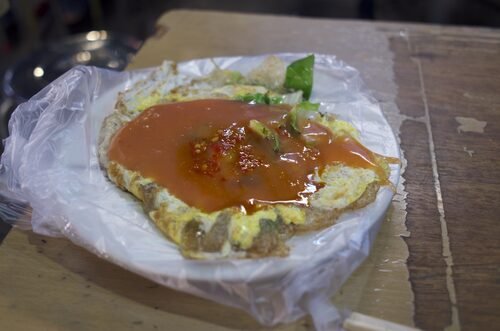
Oyster omelette
TWD 70-140A classic night-market dish with egg, oysters, greens and a sweet-savory sauce.
Useful first test of whether you like Taiwanese sauce textures before ordering bigger seafood dishes.

Hot pot
TWD 180-450A social dinner option for groups, especially in cooler months or after exams.
All-you-can-eat places can be good value only if you are actually hungry; individual pots are cheaper.

Mango shaved ice
TWD 120-220A summer dessert staple, especially in southern Taiwan and tourist food streets.
Share one big bowl with classmates; portions can be larger than expected.
Cultural dos & don'ts in Taiwan
Do
Install LINE before arrival and join official university groups as soon as your office invites you.
Keep official university email separate from informal LINE chats so deadlines do not get lost.
Learn basic Traditional Chinese for addresses, food orders, clinic symptoms, parcels and housing terms.
Use EasyCard or iPASS from week one; it simplifies MRT, buses, YouBike and convenience-store routines.
Check humidity, mold, windows, dehumidifier access and contract terms before paying a housing deposit.
Carry private insurance for short stays and ask the university when NHI/ARC rules apply for longer stays.
Save CWA weather alerts, 110 police, 119 emergency and campus security before typhoon season.
Ask local students how rubbish collection, recycling and parcel pickup work in your neighborhood.
Don't
Do not assume daily errands will work in English outside central Taipei, major campuses and tourist zones.
Do not pay a deposit without contract, photos, address verification and a clear refund rule.
Do not ignore scooter traffic: sidewalks, crossings and turning vehicles can surprise European students.
Do not treat typhoon class cancellation as a joke; transport, shops and campus access can change fast.
Do not plan east-coast or mountain trips without checking weather, road and park status first.
Do not rely on visa-exempt entry for every study scenario; ask BOCA/TECO and your host university.
Do not expect Spanish-style late dinners or very late shop opening hours; many ordinary places close earlier.
Do not leave admin until the last week: ARC, insurance, housing and course registration all need buffers.
Things to do in Taiwan as a student
The semester works best when you build repeatable routines: cheap food, transport, student groups and realistic weekend trips. Taiwan rewards students who solve housing early and avoid improvising admin.
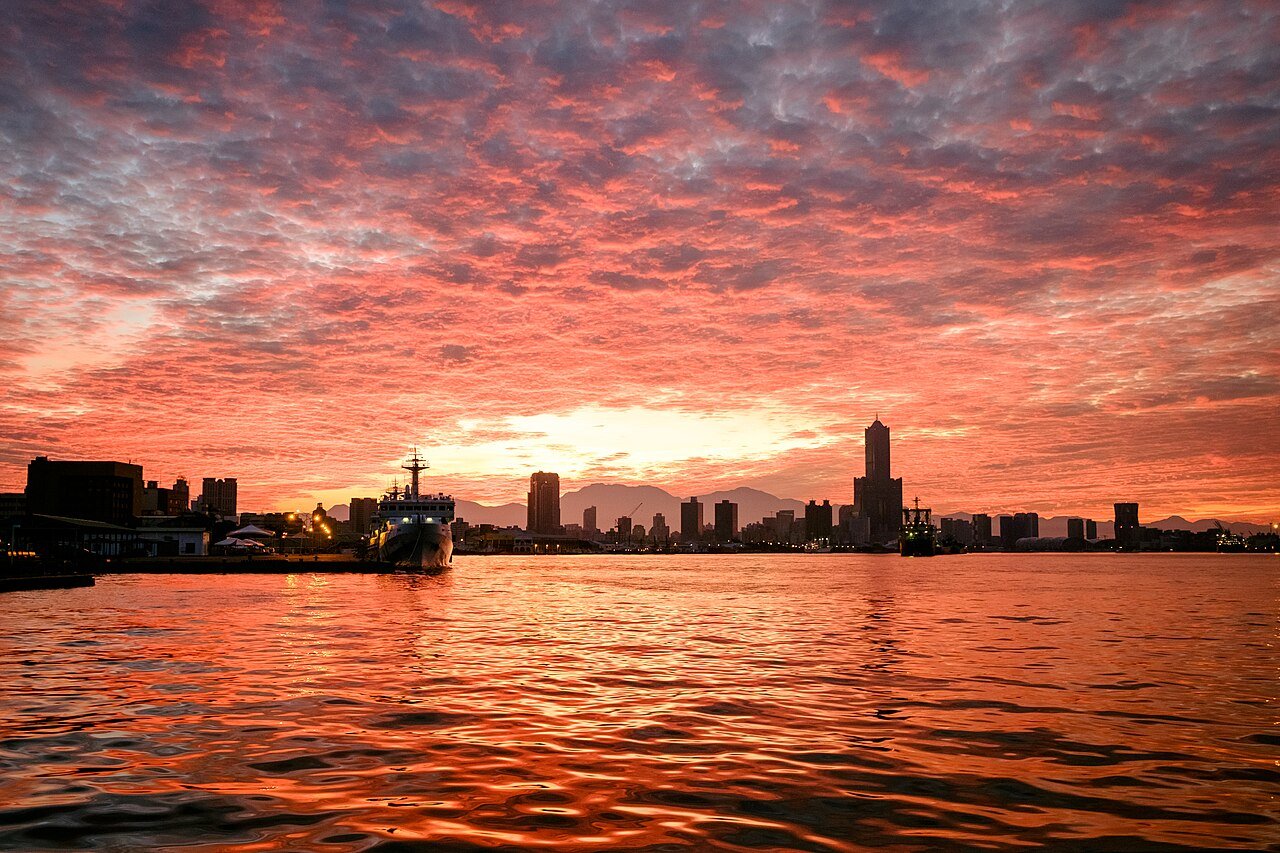
Night-market food route
The cheapest social plan in Taiwan: food, fruit tea, games and local students in one easy evening.
Learn more
West-coast THSR weekend
High-speed rail lets students compare Taiwan quickly without losing a full week to travel.
Learn more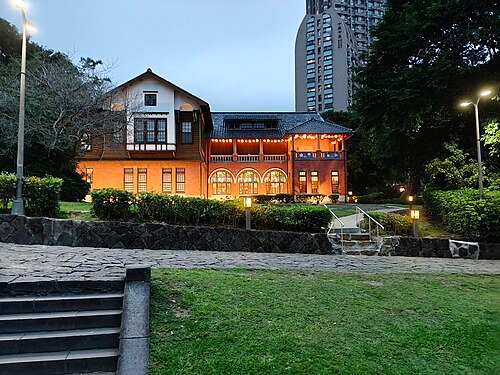
Hot spring day
Easy reset close to Taipei after humid weeks, exams or culture-shock fatigue.
Learn more
Tainan food and history weekend
Older streets, temples, snacks and a slower rhythm than Taipei. Good for understanding Taiwan beyond the capital.
Learn more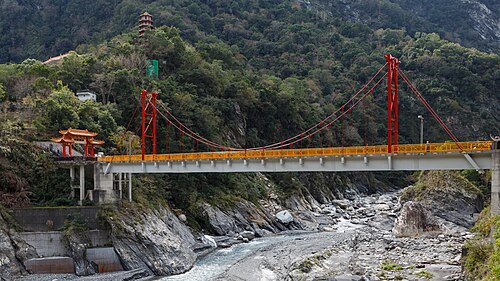
East-coast nature trip
Taiwan's east is spectacular but less urban and more exposed to weather, earthquakes and transport disruption.
Learn more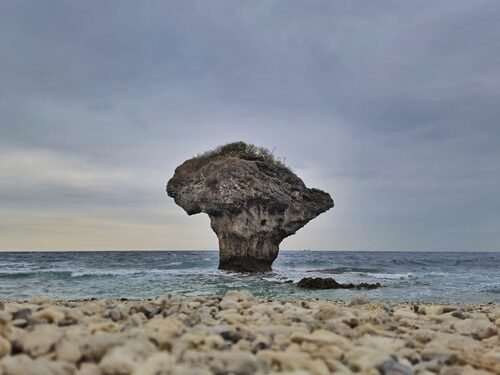
Island/coastal weekend
Useful contrast to dense west-coast cities, especially for students based in Kaohsiung or Tainan.
Learn moreFestival Calendar
 Active
Feb-Mar
Taiwan Lantern Festival
Rotating host city
Large lantern installations, free public events and easy group plans. Good first cultural festival because it is visual and accessible.
 Relaxed
May-Jun
Dragon Boat Festival
Major rivers and city events
Dragon-boat races, zongzi and a clear late-spring cultural marker. Check city schedules because exact events vary.
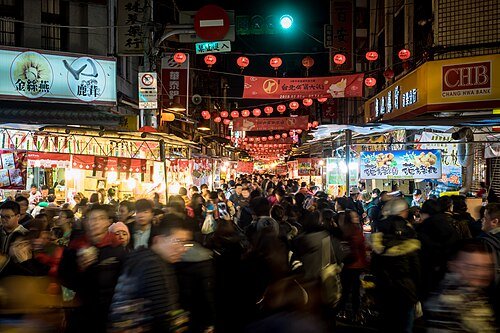
Relaxed
Sep-Oct
Mid-Autumn Festival
Campus groups, parks and local communities
A social holiday around mooncakes, gatherings and evening plans. Exchange students usually experience it through clubs, friends or residence groups.
 Lively
Jan-Feb
Lunar New Year
Nationwide
The biggest holiday period. Travel, restaurants, housing admin and offices change rhythm; plan tickets and groceries early.
 Lively
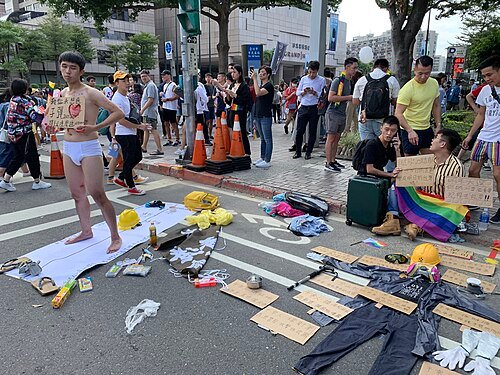
Oct
Taiwan Pride
Taipei
One of Asia's biggest Pride events and a strong signal of Taipei's international student openness.
Active
Semester start
Campus club fairs
Major universities
The most practical student event: clubs, sports teams, language groups and buddies are easier to join here than later in the semester.
Travel Tips
- THSR is fastest for the west coast; book early for better fares and use TRA/buses for cities not on the high-speed rail line.
- Typhoon season can cancel classes, transport and weekend trips. Follow CWA alerts and university messages.
- The east coast and mountain areas are incredible but more weather-dependent; check road and park status before booking.
- Night markets are social and cheap, but some stalls close earlier on quiet weekdays or after bad weather.
- Convenience stores are travel infrastructure: tickets, cash, parcels, meals, printing and emergency basics.
- Carry cash for small food stalls even if cards and mobile payment are common in bigger chains.
Scholarships & student benefits in Taiwan
Student benefits in Taiwan can reduce transport, meals, culture and activities if you activate them in week one. Carry proof of enrolment and check youth, university and local discount schemes.
If you are coming to this country
Grants, discounts, and student support you can unlock once you study here.
Taiwan Scholarship / MOE award routes
Taiwan Scholarship routes can cover up to TWD 40,000 per semester for approved tuition and miscellaneous expenses, plus monthly living allowances such as TWD 15,000 for undergraduate study and TWD 20,000 for master/doctoral study in the MOE table. They are usually for degree-seeking students, not every short exchange, so check the local Taiwan representative office and your university.
Typical amount
TWD 15,000-20,000/month plus possible tuition support, depending on route
Apply when
Usually through the local Taiwan Representative Office before the academic year
Taiwan Scholarship and Huayu Enrichment Scholarship Program Office
Official sourceHuayu Enrichment Scholarship
For Mandarin study, the Huayu Enrichment Scholarship can be very valuable: official comparison tables list monthly living allowances around TWD 28,000 for language-enrichment routes. This is close to a modest student monthly budget, but eligibility, duration and application windows depend on the local Taiwan office.
Typical amount
Around TWD 28,000/month in official comparison tables
Apply when
Apply via local Taiwan Representative Office
MOE / Taiwan Representative Offices
Official sourcePartner-exchange tuition logic
Many exchange students pay tuition at their home university and do not pay ordinary tuition again in Taiwan, but this depends on the bilateral agreement. Always confirm what is waived and what fees still apply.
Home and host universities
Useful either way
Support and discounts that still matter even if you are not in a strict incoming or outgoing case.
Free or low-cost campus life
The strongest everyday benefit is not always a formal discount: club fairs, language exchange, sports groups, university events and night-market plans can make social life cheap or free once you join the right LINE groups.
Host universities and student clubs
Transport and stored-value cards
EasyCard and iPASS simplify MRT, buses, YouBike, TRA/local transport and convenience stores. Student-specific discounts vary by city, age and school, but the cards are still essential daily infrastructure.
EasyCard / iPASS transport systems
Official sourceTaiwan student visa requirements
Difficulty: EasyFor study abroad in Taiwan, separate EU/EEA/Swiss students, short stays and non-EU routes before booking flights. Admission letter, insurance, funds, housing proof and local registration are the paperwork stack to prepare early.
Visa-exempt entry or short-stay route where your nationality and study plan allow it
This can work for some short exchanges or visits, but visa-exempt entry is not a universal study permission. Confirm with BOCA/TECO and the host university. Private insurance is important because short stays usually do not give reliable NHI access.
Single-entry visitor visa
Use only if the Taipei Representative Office confirms the visitor-visa route fits your duration and study purpose. You normally need application form, passport, photos, admission/supporting documents and any office-specific requirements. BOCA standard fee: NT$1,600 in Taiwan or US$50 overseas.
Multiple-entry visitor visa
Only choose this if you have a real repeated-entry need and the mission accepts the purpose. It costs more than a single-entry visitor visa and does not replace resident/ARC rules for longer study. BOCA standard fee: NT$3,200 in Taiwan or US$100 overseas.
Resident visa for foreign exchange students, then ARC after arrival when required
BOCA lists resident visa requirements for exchange students including online application, passport/photos, health certificate and university approval/admission documents. Students entering on a resident visa, or obtaining one after arrival, must follow NIA ARC timing. BOCA notes resident visa processing inside Taiwan takes 8 work days and ARC steps normally have a 30-day window after arrival/issuance. BOCA standard resident visa fees are NT$2,200 single-entry or NT$4,400 multiple-entry in Taiwan; US$66 or US$132 overseas.
Application Checklist
8 steps-
1
Ask your host university which route fits your exact stay: visa-exempt, visitor visa, resident visa or resident visa plus ARC.
-
2
Check BOCA and the Taipei Representative Office for your nationality before booking non-refundable flights.
-
3
Prepare passport, online visa form where required, photos, admission/approval documents, insurance proof and any health certificate requested.
-
4
For visitor visas, decide whether single entry or multiple entry is actually needed; do not pay for multiple entry unless your travel plan requires it.
-
5
For resident visa routes, prepare for ARC follow-up after arrival and keep the 30-day timing in mind.
-
6
Buy private health/travel insurance for short stays and for any gap before local coverage is confirmed.
-
7
Keep digital and printed copies of visa/entry approval, insurance, housing address, admission letter and emergency contacts.
-
8
Recheck BOCA/NIA rules one month before departure because visa rules and office-specific document requests can change.
Healthcare for international students in Taiwan
Student Needs
Short-term students should arrive with private health insurance that covers clinics, hospitalisation, emergency care, repatriation, typhoon/travel disruption and pre-existing-condition rules. Longer-stay students should ask when ARC/NHI steps apply, which clinics handle international students and what paperwork is needed for reimbursement. Mental health and culture-shock support should be used early, not only during exams.
Emergency vs Clinic
Call 119 for emergencies. For non-urgent care, start with university health center or nearby clinic recommended by your international office.
Public Coverage Notes
Short stays usually rely on private or university-arranged insurance, not NHI.
Resident status and ARC timing can affect NHI eligibility; confirm with the host university.
University health centers are useful for triage, but serious care goes through clinics/hospitals.
Typhoon, earthquake and hiking/travel disruption should be covered by your private policy if possible.
EXTRA: Culture Shock & Apps
Moderate Culture Shock Expected
This destination may feel different from Western campus routines. The apps and advice below are high-impact setup items for everyday student life.
Default communication layer for class groups, dorm chats, clubs, buddy programmes and last-minute campus notices.
Daily transport card for MRT, buses, YouBike and many convenience-store payments. Which card matters most depends on city.
Useful for short campus-to-MRT trips in Taipei, Taichung and Kaohsiung, especially when buses are indirect.
Typhoon, heavy rain and earthquake alerts directly affect classes, transport and hiking/weekend plans.
Useful for contracts, menus, clinic forms, parcel messages and housing chats written in Traditional Chinese.
Needed for weekend trips between Taipei, Taichung, Tainan and Kaohsiung, especially around holidays.
Best cities to study in Taiwan
Taipei, Taichung, Kaohsiung are not interchangeable. They offer different budgets, campus scales and social rhythms, so choose by academic fit and housing reality rather than the most famous name.
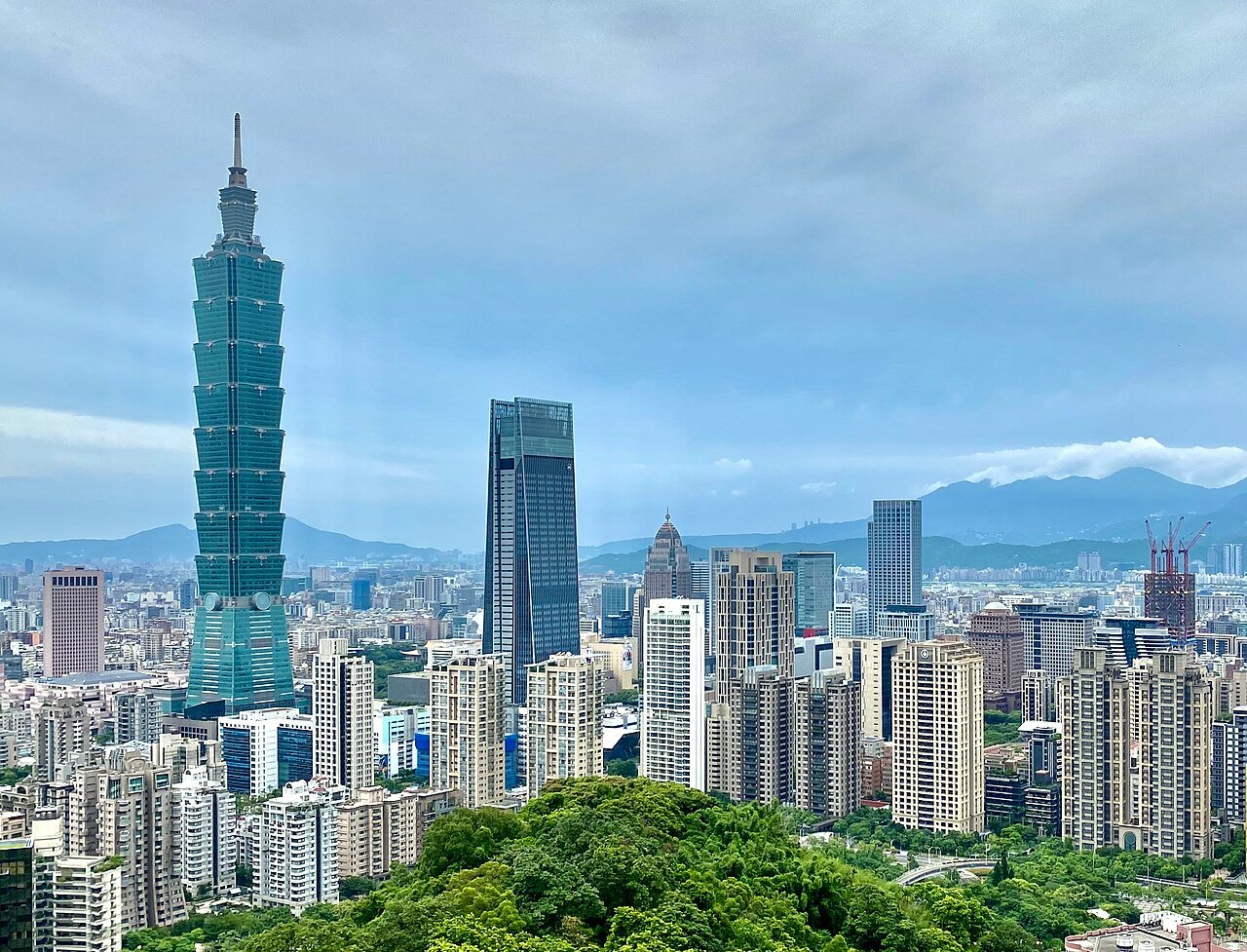
Taipei
Taiwan's easiest landing city for exchange students: strong universities, MRT access, Mandarin immersion, international food and the highest student costs on the…
Open City Guide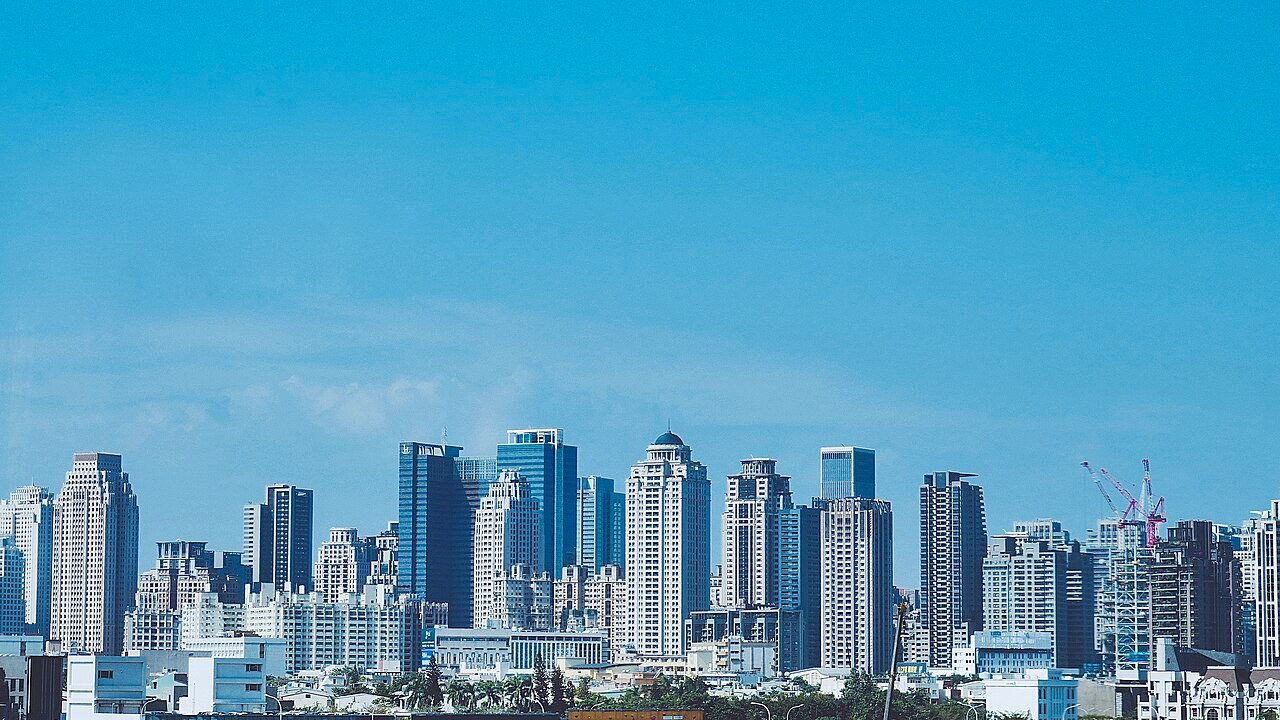
Taichung
A warmer, cheaper and more relaxed Taiwan base with strong life-science and engineering options, creative districts and a more local student rhythm.
Open City Guide
Kaohsiung
Southern Taiwan's port city for exchange students: lower costs, warm weather, harbor culture, metro access and a rare beach-and-mountain campus at NSYSU.
Open City Guide