
Study abroad in Argentina
Visa, costs, healthcare and the best cities for exchange students in Argentina.
Capital
Ciudad Autónoma de Buenos Aires (CABA)
Languages
Español (Castellano rioplatense)
Academic Year
Cuatrimestral: Marzo a Julio (Primer cuatrimestre) y Agosto a Diciembre (Segundo cuatrimestre).
Population
46,000,000+
Typical Budget
USD 400 - 900/month
Study Abroad in Argentina: What to Expect
Study abroad in Argentina should be chosen by more than ranking or postcard: city, campus, language, rent, safety and paperwork can completely change the semester. Argentina feels like a slice of Southern Europe transplanted to South America. Compare Buenos Aires, Cordoba, Rosario before deciding because each city has a different rhythm and budget logic.
Who loves this country?
Students who want a social, affordable Latin American semester with Spanish immersion, late-night city life and strong public universities.
What makes it special
Argentina combines serious public universities, cultural intensity and strong value for money, but only works smoothly when students plan money, housing and paperwork with flexibility.
Newcomer shocks
- Inflation changes prices fast, so monthly budgets need buffers.
- Cash, transfers and card acceptance can vary more than newcomers expect.
- University admin can be faculty-specific and less centralised than in Europe.
Safety & Cost Indices
Source: Numbeo crowdsourced data. Lower crime = safer. Higher safety = safer.
Crime Index
High
World avg: 44.7
Safety Index
Be cautious
World avg: 55.3
Cost of Living
Moderate cost
USD 400 - 900/month
The cost to study abroad in Argentina is mostly shaped by housing, transport, weekly food routines and first-week setup. Use USD 400-900/month as a planning range, but keep a buffer for deposit, insurance, visa or registration steps and price changes.
Safety: Generally manageable for students, but petty theft, phone snatching and housing scams are common in large cities. Use local advice for night routes and cash handling.
Big Cities vs Small Towns
Big Cities
- Buenos Aires is a world-class metropolis with a fully developed student infrastructure — language schools, coworkings, extensive metro, and a thriving international expat community.
- Cost of living is higher than other Argentine cities but still cheap by Western standards; the tradeoff is unmatched cultural output (theatre, music, food).
- Nightlife, tango scene, and social energy are genuinely hard to replicate elsewhere in the country.
- English spoken widely in BA; cultural adjustment is gentler than in provincial cities.
Small Towns
- Córdoba and Mendoza have large student populations and lower costs than Buenos Aires, with strong local university scenes.
- Bariloche and San Martín de los Andes offer outdoor-focused lifestyles (skiing, hiking) at the expense of urban amenities.
- Life moves slower; Spanish integration is much faster since locals speak little English.
- Provincial cities have tighter-knit student communities — easier to make lasting local friends.
Culture & student life in Argentina
Student culture in Argentina makes more sense through daily routines: schedules, language, social norms, food and campus expectations. Treat the do and don't list as practical arrival advice rather than tourist folklore.
Social Norms
Shared drinks, long meals and group plans are part of daily social life.
Greetings are warm and informal, even in many campus settings.
Nightlife starts late; dinner and pre-party plans can begin much later than in northern Europe.
Football identity can be intense, especially in Buenos Aires and Rosario.
Students often mix campus networks, neighbourhood friends and family-style gatherings.
Daily Rhythm
Local pace08:00–10:00
Morning
Late starts are the norm. Most locals skip breakfast or grab a coffee and medialunas at a nearby bar. Classes rarely start before 9.
13:00–15:00
Midday
Lunch is the main meal — often eaten at home or a tenedor libre (all-you-can-eat buffet). Many shops close 13:00–16:00 for a siesta.
16:00–20:00
Afternoon
Productive afternoon block. Mate breaks throughout. Universities run late-afternoon and evening classes for working students.
21:00–23:00
Evening
Dinner rarely before 21:00. Families eat together at 22:00 regularly. Going out before midnight is considered early.
00:00–05:00
Night
Buenos Aires nightlife starts at midnight and peaks at 03:00. Clubs don't fill until 02:00. Taxis home at dawn are standard.
Food Culture
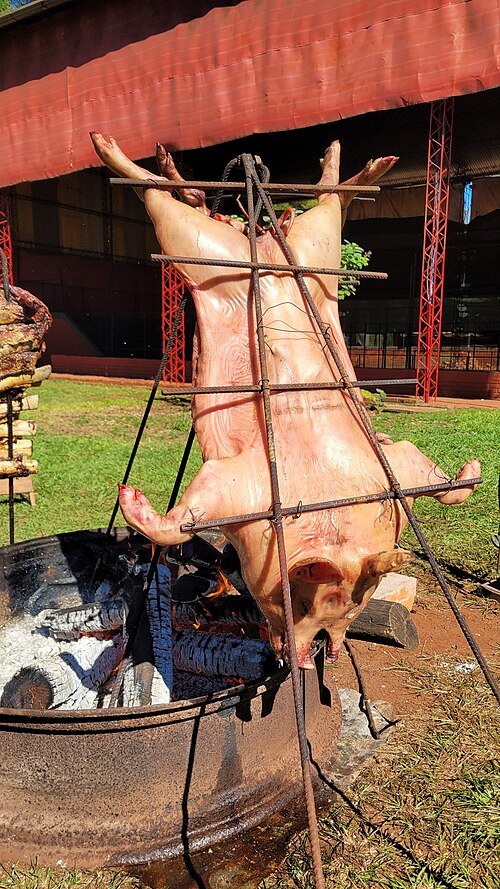
Asado
USD 10-25 en parrilla barrialUna religión de fin de semana. Cortes clásicos: vacío, tira de asado, choripán.
Make local friends; home barbecues are often cheaper and better than restaurant versions.

Empanadas
USD 1.50 - 2.50 cada unaAl horno o fritas, la cena o almuerzo rápido por excelencia.
Try regional versions and ask for student-friendly neighbourhood bakeries or lunch spots.

Facturas (medialunas)
ARS 200–600 / EUR 0.20–0.60Flaky croissant-style pastries sold at bakeries (panaderías), eaten for breakfast or as a snack.
Grab a bag of medialunas from a local panadería — cheaper and better than any café chain.

Milanesa
ARS 1500–3500 / EUR 1.50–3.50Breaded and fried meat cutlet, a staple at parillas and family restaurants. The sandwich version (milanesa napolitana) is iconic student fuel.
Order milanesa al pan — it is larger and more filling than the plate version for the same price.

Mate
ARS 500–1200 / EUR 0.50–1.20Argentina's defining social drink — bitter herbal tea shared from a gourd with a metal straw. Sharing mate is a strong cultural bonding ritual.
Accept mate when offered — refusing is considered rude. Buy a starter kit at any kiosco for around EUR 5.

Dulce de leche
ARS 300–800 / EUR 0.30–0.80Thick caramel spread made from slowly reduced sweetened milk — used as a filling for pastries, spread on toast, or eaten by the spoonful. Argentina consumes more per capita than anywhere else.
A jar of dulce de leche costs under EUR 1 and makes any bread or crackers into a satisfying snack.
Cultural dos & don'ts in Argentina
Do
Ask local students how to handle cash, apps and exchange rates before building your budget.
Travel beyond Buenos Aires if time allows; Mendoza, Patagonia and the northwest show a different Argentina.
Join faculty groups early, because information often moves through student networks.
Get the local student credential if your host university offers one.
Plan housing before arrival and verify contracts carefully.
Register with your embassy or consulate if your stay requires it.
Use payment apps where local students recommend them.
Compare rentals before arrival; central student areas move quickly.
Learn basic social rules around shared drinks, meals and greetings.
Don't
Do not flash your phone or wallet in crowded streets.
Do not assume official exchange rates match daily student spending reality.
Do not underestimate distances across the country.
Do not use random street taxis late at night when safer app or called options are available.
Do not arrive without active health insurance.
Do not leave migration appointments until the last moment.
Do not convert every purchase at the wrong exchange rate.
Do not book housing from pressure-based listings or advance-payment-only offers.
Things to do in Argentina as a student
The semester works best when you build repeatable routines: campus transport, cheap food, student groups and social plans that do not break the budget. Argentina rewards students who solve housing early and avoid improvising admin.

Tango classes
Buenos Aires is the birthplace of tango. Free community milongas run every week and beginner classes cost EUR 3-8. Culturally unmissable.
Learn more
Patagonia trekking
El Chalten offers free marked trails with zero entrance fee — rare for world-class trekking. Budget 5-7 days; student hostels from ARS 3,000/night.
Learn more
Iguazu Falls
One of the largest waterfall systems on Earth. ISIC card gets student discount. Bus from Buenos Aires 18h or cheap domestic flight.
Learn more
Mendoza wine region
Rent a bike in Maipu for ARS 1,500 and visit 4-5 wineries in a day. Harvest season (Vendimia) in March is festive and buzzing.
Learn more
Colonia del Sacramento day trip
1h ferry from Buenos Aires. UNESCO colonial town, cobblestone streets. Perfect weekend escape for exchange students.
Learn more
Bariloche skiing
Southern Hemisphere ski season runs July-September. Student lift passes available. Cheaper than European resorts with world-class powder.
Learn more
San Telmo market food tour
San Telmo market has cheap empanadas and local cheeses. La Boca Caminito is culturally vivid. Budget lunch under ARS 2,000.
Learn more
Pampas estancia day
Full gaucho experience: horseback riding, asado lunch, folk music. Day trips from Buenos Aires cost ~USD 70-100 all-inclusive.
Learn moreFestival Calendar
 Lively
January-February (weekends)
Carnaval de Gualeguaychú
Gualeguaychú, Entre Ríos
The largest carnival in Argentina with elaborate floats, samba schools, and glittering costumes that rival Rio de Janeiro on a student budget.
 Active
First week of March
Vendimia (Grape Harvest Festival)
Mendoza
A harvest celebration with a massive queen coronation ceremony, folk music, and free wine tastings across the region. A bucket-list weekend from Buenos Aires.
 Relaxed
August
Buenos Aires International Tango Festival
Buenos Aires (multiple venues)
Two weeks of free milongas, masterclasses, and street performances turning the entire city into a dance floor. Most events are free or under USD 5.
 Lively
Late April to mid-May
Buenos Aires International Book Fair (Feria del Libro)
La Rural, Buenos Aires
One of the world largest book fairs with author talks, student discounts, and a genuinely festive atmosphere around literature and ideas.
 Active
Third week of September
Student Week
University cities nationwide
Student week with concerts, free campus events, and the social reset that marks the start of spring social life across all Argentine universities.
Travel Tips
- Exchange money via card (Visa/Mastercard) or licensed exchange houses — both now apply the MEP rate automatically. Avoid street changers.
- Long-distance buses (coche cama class) are the backbone of student travel. Book via plataforma10.com. Buenos Aires to Mendoza is 14 hours and extremely comfortable.
- Get a SUBE card in the first week — it works on Buenos Aires subte, buses, and trains and costs almost nothing to activate at any kiosk.
- Download Mercado Pago and WhatsApp immediately. Almost all student social coordination and payments run through these two apps.
- Aerolíneas Argentinas and Flybondi offer domestic flights. Book Patagonia routes at least 6 weeks ahead as summer prices spike rapidly.
Scholarships & student benefits in Argentina
Student benefits in Argentina can help with transport, food, culture and university services if you activate credentials early. Carry proof of enrolment and confirm which youth or student discounts apply to international students.
If you are coming to this country
Grants, discounts, and student support you can unlock once you study here.
Boleto Estudiantil
Discounted or free public transport for public-university students exists in some jurisdictions, including CABA and Buenos Aires Province, usually with quotas or local rules.
Ministerio de Transporte
Public university access and low tuition
Argentina's public university system is the core value proposition: strong public institutions, low or no tuition in many routes, and a huge local student culture.
Universidades públicas argentinas
Official sourceLow-cost culture and student tickets
Cinemas, theatres, museums, football matches, and independent cultural spaces often have student pricing or low-cost nights. Ask locally because discounts are city-specific.
Local cultural venues
Official sourceArgentina student visa requirements
Difficulty: EasyFor study abroad in Argentina, separate exchange, full-degree, short-stay and residence requirements before booking flights. Admission letter, insurance, funds, housing proof and the university calendar need to match the current official route.
Residencia Temporaria Estudiante
Ciudadanos del MERCOSUR pueden entrar como turistas y gestionar la radicación temporal (DNI) con gran facilidad ya estando en Argentina.
Visa de Estudiante (Formulario de Ingreso)
Students normally follow the residence process with host-university guidance and official migration instructions after confirming eligibility.
Application Checklist
5 steps-
1
Confirm that the host university can guide the student residence process.
-
2
Check passport validity, entry document and any consular steps before departure.
-
3
Prepare admission letter, insurance, proof of funds and address details.
-
4
Book an appointment or follow the official migration route as soon as the university instructs you.
-
5
Keep copies of every receipt, appointment confirmation and residence document.
Healthcare for international students in Argentina
How It Works
Argentina's public hospital network (hospitales públicos) is free and open to all, including foreign students without residency. However, public facilities face chronic underfunding and overcrowding, especially in Buenos Aires public hospitals like Hospital de Clínicas or Ramos Mejía. Wait times for non-emergencies can stretch several hours. The system quality is highest in CABA and Córdoba city.
Student Needs
Strongly recommended: arrive with an international health insurance policy (Assist Card, IATI, World Nomads) or a private prepaga plan (OSDE 210, Swiss Medical Plata) which in USD terms costs roughly USD 30-60/month. Some exchange programs from European universities accept EHIC for Argentina under bilateral agreements — verify with your home institution before departure. Register with a private clinic on arrival for non-emergency access.
Emergency vs Clinic
Call 911 for life-threatening emergencies; SAME (Sistema de Atención Médica de Emergencias, tel. 107) is Buenos Aires city's free emergency ambulance. Use public hospital ERs for serious trauma; use your prepaga or international insurance for everything else — speed and diagnostic quality are dramatically better. For minor issues, pharmacy-attached consultorios (Farmacity, Dr. Ahorro) charge under USD 5 per consultation.
Public Coverage Notes
All public hospitals legally must treat anyone regardless of insurance or nationality. Emergency care is always free.
The codice analogous here is CUIT/CUIL — students may need it for any formal insurance or work registration.
EXTRA: Culture Shock & Apps
Argentina's dominant payment app. QR codes everywhere. Essential for daily transactions.
Safer than street taxis. Uber technically operates in a legal gray area in BA but is widely used.
Best cities to study in Argentina
Buenos Aires, Cordoba, Rosario are not interchangeable. Choose by academic fit, safety, housing and transport rather than fame or the strongest postcard.

Buenos Aires
A high-energy Latin American capital for exchange students: late dinners, tango, theatre, public universities, and a social rhythm that rewards patience.
Open City Guide
Córdoba
Argentina's ultimate student city. The UNC campus dominates the social and cultural life of this charming, affordable city.
Open City Guide
Rosario
Birthplace of Messi and Che Guevara. A smaller, calmer riverside city with a strong student community.
Open City Guide