
Study abroad in Luxembourg
Visa, costs, healthcare and the best cities for exchange students in Luxembourg.
Capital
Luxembourg City
Languages
Luxembourgish / French / German
Academic Year
Most programmes follow an autumn/winter and spring/summer rhythm; exact dates depend on the university and faculty.
Population
690,959 residents on 1 January 2026
Typical Budget
EUR 1,200 - 2,300/month
Study Abroad in Luxembourg: What to Expect
Study abroad in Luxembourg is a strong option for students who want a multilingual, international European semester without moving to a huge city. The key is to compare Luxembourg City, Belval, Esch-sur-Alzette, housing and transport as one connected study system.
Who loves this country?
Luxembourg suits students who want a small-country experience with big international exposure: EU institutions, cross-border mobility, multilingual classrooms and a campus community where planning matters.
What makes it special
The country compresses many European advantages into one semester: free nationwide transport, multilingual daily life, strong safety perception, access to France, Belgium and Germany, and a university ecosystem that attracts students from many nationalities.
Newcomer shocks
- Housing is the real bottleneck; a cheap-looking offer is not useful until the contract, address registration and commute are verified.
- Free transport changes the map: living outside the exact campus district can work if the train or bus route is reliable.
- Luxembourg is multilingual, but not every admin step will happen in English.
- Food and eating out feel expensive fast, so canteens, supermarkets and shared cooking matter.
- The country feels calm, but first-month paperwork must be handled in order.
Safety & Cost Indices
Source: Numbeo crowdsourced data. Lower crime = safer. Higher safety = safer.
Crime Index
Low perceived crime
World avg: 44.5
Safety Index
Moderate
World avg: 55.5
Cost of Living
Expensive
EUR 1,200 - 2,300/month
Cost of living in Luxembourg is high mainly because of rent, deposits and food outside campus. Free public transport helps a lot, but students should still budget housing, insurance, groceries, SIM, arrival costs and a private-housing backup.
Safety: Luxembourg is a generally high-trust destination for students, but the practical risks are housing scams, expensive first-month cash flow, night routes around stations and missing health-insurance proof.
Culture & student life in Luxembourg
Student culture in Luxembourg is calm, multilingual and international. It works best when students join Welcome Week, clubs and repeatable campus routines instead of waiting for a big-city nightlife scene to create everything.
Social Norms
Punctuality matters in classes, appointments, housing viewings and administrative offices.
French is highly useful for daily life; English is common in international settings but should not be your only plan.
Written confirmation is normal: keep emails, contract versions, appointment receipts and payment proof.
Public life is calm and orderly; noise, late-night flat behaviour and shared-building rules are taken seriously.
People often commute across towns and borders, so social life can feel planned rather than spontaneous.
Campus clubs, Welcome Week and residence routines are the easiest way to build a stable group quickly.
Sunday opening hours can feel limited compared with larger student cities; plan groceries before weekends.
Luxembourg is expensive but not flashy: students who budget carefully can still build a rich semester.
Daily Rhythm
Local pace07:00-09:00
Commute and campus start
Students often use free train, bus or tram routes from Luxembourg City, Esch or Belval. Test the route at class time, not on a quiet weekend.
12:00-14:00
Canteen or supermarket lunch
Canteens, bakeries and supermarkets keep the monthly budget realistic in a country where eating out adds up quickly.
14:00-18:00
Labs, library and admin
Use afternoon gaps for library work, residence paperwork, insurance tasks or appointments before offices close.
18:00-21:00
Clubs, sport and city plans
Belval, Luxembourg City and Esch can all be part of student life. Free transport makes mixed routines possible.
21:00-23:30
Night route check
Plan the last train, bus or tram before going out. Luxembourg is manageable, but a missed connection can turn into a taxi cost.
Food Culture

Gromperekichelcher
EUR 3-8Crispy potato fritters strongly associated with fairs and markets. Schueberfouer is the classic time to try them.
Use it as a low-cost social snack at fairs instead of turning every meetup into a restaurant dinner.

Judd mat Gaardebounen
EUR 14-25A traditional smoked pork and broad-bean dish. It is filling, local and usually more of a proper meal than a quick student snack.
Try it once in a local restaurant with friends, then keep weekly food costs under control through canteens and shared cooking.

Bouneschlupp
EUR 6-14Green-bean soup with potatoes and often sausage. It is a comforting winter option when the semester gets cold and wet.
Soup and bakery lunches are often more realistic than restaurant meals during heavy class weeks.

Kniddelen
EUR 10-18Luxembourgish dumplings, often served with rich sauces or sausage. A good introduction to local comfort food.
Share one heavier local meal and balance the week with supermarket basics, campus meals and leftovers.

Kachkeis
EUR 4-10Soft cooked cheese used with bread or simple plates. Useful for understanding Luxembourg beyond the international office bubble.
Build a cheap local tasting night with bread, cheese, fruit and supermarket snacks instead of bar hopping.

Quetschentaart
EUR 4-8Damson plum tart, common in bakery culture and a good low-stakes dessert to try with coffee.
Bakeries and market stalls are better for budget culture than a full restaurant meal every weekend.
Cultural dos & don'ts in Luxembourg
Do
Start housing as soon as your nomination or offer is credible.
Use free national public transport to test the real commute before signing a room far from campus.
Learn basic French housing and admin vocabulary even if your classes are in English.
Register for Welcome Week, clubs and student groups early; social life builds through repeated contact.
Carry health-insurance proof and emergency contacts in your phone and document folder.
Use University of Luxembourg accommodation channels first, then verified private backups.
Budget the first month with deposit, bedding, groceries, SIM, insurance and a short temporary-stay buffer.
Treat Luxembourg as a cross-border base, but protect class attendance from overambitious weekend travel.
Don't
Do not pay a deposit to a private landlord without a contract and a traceable payment route.
Do not assume English is enough for every landlord, commune office or health-insurance step.
Do not choose housing only by distance on a map; train and bus frequency matter more.
Do not ignore health insurance until enrolment week.
Do not use Numbeo as a legal or contractual source; it is only a directional benchmark.
Do not overbuild your budget around restaurants, taxis and weekend trips in the first month.
Do not skip the university welcome events because the country feels small.
Do not confuse Luxembourg City nightlife with Belval campus rhythm; both can matter in the same semester.
Things to do in Luxembourg as a student
Student life in Luxembourg is practical and high quality when housing, commute and budget are solved early. Belval gives the campus anchor, Luxembourg City gives culture and services, and free transport connects the two.

Mullerthal Trail
A low-cost hiking escape through Luxembourg's Little Switzerland, useful when campus life feels too compact.
Learn more
Bock Casemates and Grund walk
The fastest way to understand the city, the valley and why Luxembourg feels layered rather than flat.
Learn more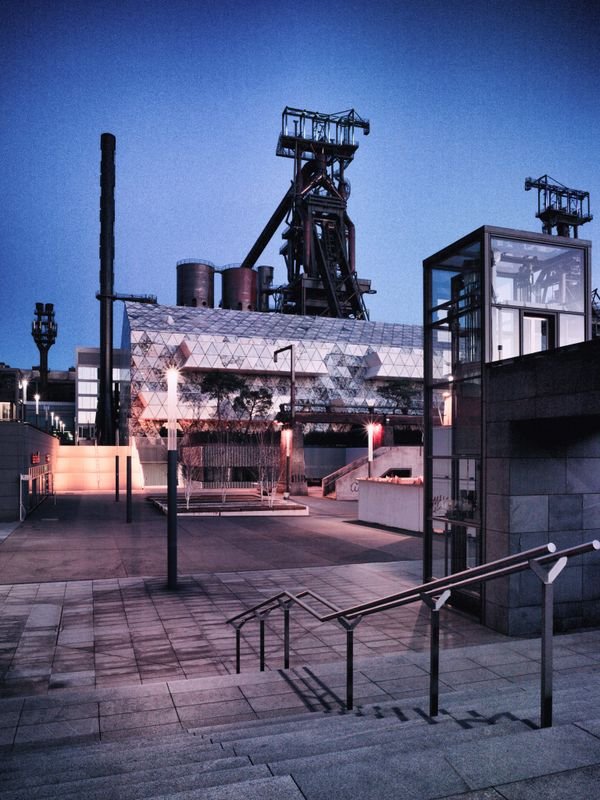
Minett Trail and Belval blast furnaces
Links the University of Luxembourg campus with the country's industrial south and modern student district.
Learn more
Moselle vineyards day trip
Shows another side of Luxembourg: river towns, vineyards and cross-border European geography.
Learn more
Vianden Castle
One of the clearest historical day trips in the country and easy to combine with a small-town walk.
Learn more
Tram, train and Belval-to-city loop
Free public transport is not just a perk; it is the planning tool that decides where you can realistically live.
Learn moreFestival Calendar
 Lively
Late August to early September
Schueberfouer
Champ du Glacis, Luxembourg City
Luxembourg's major funfair, useful for food, rides and the classic first-semester social night.
 Lively
22-23 June
National Day celebrations
Luxembourg City
Fireworks, torch procession, concerts and official ceremonies. A good way to understand public culture if you are in the country in summer.
 Active
Late November to early January
Winterlights
Luxembourg City
Christmas markets, lights, concerts and winter city programming that make the darker months easier socially.
 Active
March
Luxembourg City Film Festival
Luxembourg City cinemas and cultural venues
Eleven days of screenings and cultural venues, useful for film, media and humanities students.
 Lively
May or early summer
ING Night Marathon Luxembourg
Luxembourg City
Night-time city sport event with a very international atmosphere and a volunteer-friendly social feel.
 Active
June to September
Summer in the City
Luxembourg City
Open-air concerts, exhibitions and cultural programming for students staying through the summer.
Travel Tips
- Use mobiliteit.lu or local route planners before signing housing; frequency matters more than distance.
- Build the first month around free transport, canteens and supermarkets before testing restaurants and trips.
- For cross-border trips, remember that free transport generally applies inside Luxembourg; check fares beyond the border.
- Book university accommodation early, but keep a verified private backup because supply is limited.
- In winter, keep plans flexible: rain, darkness and short daylight change student routines.
Scholarships & student benefits in Luxembourg
Student benefits in Luxembourg are unusually useful: free nationwide public transport, university arrival support, possible AideFi financial aid, student clubs, cultural events and a compact cross-border travel base.
Useful either way
Support and discounts that still matter even if you are not in a strict incoming or outgoing case.
Free nationwide public transport
Buses, trains and trams are free in Luxembourg in second class, which materially changes housing and weekend planning for students.
Luxembourg public transport network
Official sourceAideFi state financial aid
Eligible students can apply for Luxembourg state financial aid, which combines grants and a student loan. Criteria matter, so check before assuming eligibility.
MengStudien / Luxembourg government
Official sourceUniversity accommodation route
University of Luxembourg accommodation is a key first route, but supply is limited and demand is high, so students need private backup options.
University of Luxembourg
Official sourceWelcome Week and arrival support
Welcome Week gives new students a practical entry point for campus, services, faculty contacts and first friendships.
University of Luxembourg
Official sourceStudent clubs and associations
Clubs are the fastest way to turn Luxembourg from a quiet, expensive destination into a repeatable student routine.
University of Luxembourg
Official sourceLow-cost culture through city events
Schueberfouer, Winterlights, public concerts, markets and museum programming give students social plans without relying only on restaurants.
Ville de Luxembourg / Luxembourg City Tourist Office
Official sourceLuxembourg student visa requirements
Difficulty: EasyLuxembourg student visa planning depends on nationality and stay length. EU students focus on ID, commune formalities and insurance; non-EU students should start the Guichet temporary-authorisation route before arrival.
Valid passport or national identity card; commune formalities may apply for longer stays
EU citizens can reside in Luxembourg for more than three months when they meet the relevant conditions. Students should check commune registration, health coverage and proof of resources before arrival.
Temporary authorisation to stay, then type D visa if required, then residence permit after arrival
Third-country students normally start from outside Luxembourg, apply for temporary authorisation to stay, request a type D visa if their nationality requires it, then make the arrival declaration, complete the medical check and apply for the student residence permit.
Schengen short-stay visa where required by nationality
Short mobility, summer schools or visits may fall under Schengen short-stay rules. Check nationality, host invitation, insurance and proof of means before buying travel.
Application Checklist
8 steps-
1
Confirm whether your stay is under or over 90 days, because short Schengen mobility and semester study follow different logic.
-
2
Save the admission letter, exchange nomination, passport or ID, proof of resources, accommodation proof and health-insurance certificate in one dated folder.
-
3
If you are a third-country student, apply for the temporary authorisation to stay before travelling and check whether you need a type D visa after approval.
-
4
Plan the arrival declaration with the commune and keep your housing address usable for registration.
-
5
Prepare health-insurance evidence before enrolment; University of Luxembourg asks students to show EHIC or proof of affiliation with coverage for at least the semester.
-
6
Do not pay private housing without a written contract, landlord identity, deposit terms and registration rights.
-
7
Ask the international office when your case involves dual nationality, an existing EU residence permit, internship work or a short mobility module.
-
8
Keep copies of all confirmations, because Luxembourg admin often rewards precise documents more than improvisation.
Regional Variations
Luxembourg
Luxembourg is one country, but your practical route changes by nationality and stay length rather than by region.
Third-country students usually need the temporary authorisation route before arrival; EU/EEA/Swiss students focus on ID, commune formalities and health coverage.
University enrolment and residence planning should include valid health-insurance proof. EHIC may work for eligible EU students; others must show adequate affiliation or private coverage.
Healthcare for international students in Luxembourg
How It Works
Students in Luxembourg should arrive with health coverage already documented. University of Luxembourg states that students must present a European Health Insurance Card or proof of health-insurance affiliation, with coverage for at least the semester. EU students often start from EHIC, while non-EU students should confirm whether private insurance, national affiliation or a university-supported route is required for their exact status.
Student Needs
Bring EHIC or insurance proof, policy number, emergency contacts, medication prescriptions, vaccination records if relevant and a digital copy of your passport or ID. If your visa or residence route requires medical checks, follow Guichet instructions and do not treat campus enrolment as a substitute for immigration compliance.
Emergency vs Clinic
Use 112 for medical emergencies and 113 for police. For routine issues, ask the university, a general practitioner or an approved clinic route before going straight to emergency services. Keep receipts and claim documents because reimbursement logic may depend on your insurance status.
Best cities to study in Luxembourg
For studying in Luxembourg, the main student comparison is Luxembourg City versus Esch-sur-Alzette / Belval. Luxembourg City concentrates services, culture and Kirchberg/Limpertsberg access; Esch concentrates Belval, University of Luxembourg and train-led housing logic.

Luxembourg City
A multilingual capital for students who want EU-institution energy, strong public transport, Kirchberg and Limpertsberg campus access, and a high-quality but expensive…
Open City Guide
Esch-sur-Alzette / Belval
Luxembourg's most important student-campus city: Belval puts University of Luxembourg, Rockhal, industrial heritage, free transport and south-Luxembourg housing trade-offs in one practical…
Open City Guide