
Study abroad in Chile
Visa, costs, healthcare and the best cities for exchange students in Chile.
Capital
Santiago
Languages
Spanish
Academic Year
Most universities run first semester from March to July and second semester from August to December. Exact orientation and exam dates vary by institution.
Population
19,000,000+
Typical Budget
CLP 650,000 - 1,300,000/month
Study Abroad in Chile: What to Expect
Study abroad in Chile should be chosen by more than ranking or postcard: city, campus, language, rent, safety and paperwork can completely change the semester. Chile is a strong fit for exchange students who want Spanish immersion, reputable universities and access to very different landscapes without leaving one country. Compare Santiago, Valparaiso, Concepcion before deciding because each city has a different rhythm and budget logic.
Who loves this country?
Students who want a relatively organised Latin American base, Spanish immersion, strong universities and easy access to mountains, coast and long-distance travel.
What makes it special
Chile gives students academic reliability and striking geography, but budgets and city choice need careful planning.
Newcomer shocks
- Chile is more expensive than many students expect.
- Earthquake awareness is normal rather than exceptional.
- Santiago pollution and winter air quality can affect routines.
Safety & Cost Indices
Source: Numbeo crowdsourced data. Lower crime = safer. Higher safety = safer.
Crime Index
High
World avg: 44.7
Safety Index
Be cautious
World avg: 55.3
Cost of Living
Very affordable
CLP 650,000 - 1,300,000/month
The cost to study abroad in Chile is mostly shaped by housing, transport, weekly food routines and first-week setup. Use CLP 650000-1300000/month as a planning range, but keep a buffer for deposit, insurance, visa or registration steps and price changes.
Safety: Main student districts in Santiago, Valparaiso and Concepcion are workable for exchange students, but phone theft, nightlife routes, protests, earthquakes and coastal evacuation awareness should be taken seriously.
Culture & student life in Chile
Student culture in Chile makes more sense through daily routines: schedules, language, social norms, food and campus expectations. Treat the do and don't list as practical arrival advice rather than tourist folklore.
Social Norms
Chile can feel more reserved at first than Colombia, Mexico or Spain. Friendships often warm up through repeated plans rather than instant openness.
Chilean Spanish is fast and full of local slang. Even students with classroom Spanish need adjustment time.
University life is serious and attendance/assessment expectations vary by faculty. Do not assume an exchange semester is academically light.
Punctuality is more flexible socially than academically. Deadlines and administrative windows should be treated carefully.
Earthquake readiness is normal life, not panic. Learn what your campus and housing expect during tremors.
Food Culture

Empanada de pino
CLP 2,000-4,500Classic Chilean baked empanada with beef, onion, egg and olive.
Good cheap lunch around campuses, bus terminals and Fiestas Patrias events.

Cazuela / menu del dia
CLP 5,000-9,000Homestyle filling lunch; a practical visual stand-in for everyday student set lunches.
Look for neighborhood lunch spots near campus before defaulting to expensive areas.

Completo
CLP 2,500-5,500Chilean hot dog with avocado, tomato, mayo and variants.
Cheap social food after class, especially around late-night student areas.

Pastel de choclo
CLP 6,000-10,000Corn pie with beef, chicken, onion, egg and olive, usually served hot in traditional restaurants or family-style lunch spots.
Best as a weekend meal rather than a quick campus lunch; look for it in markets and traditional restaurants.

Mote con huesillo
CLP 1,500-3,500Cold Chilean drink-dessert made with wheat berries and dried peaches, common in warm months.
A low-cost summer option in parks, street stands and central markets.
Cultural dos & don'ts in Chile
Do
Arrive with at least B1 Spanish and learn Chilean expressions early; listening practice matters as much as grammar.
Choose housing around commute, daylight route and campus access, not just monthly price.
Use host-university orientation and buddy networks for first housing, transport and nightlife advice.
Learn the earthquake routine in your building and campus: safe zones, evacuation stairways and where not to stand during a tremor.
Save emergency numbers and campus security contacts offline before your first week of classes.
Test the Santiago Metro/Bip! or local bus route to campus in daylight before relying on it for exams or early classes.
Carry a light rain/wind layer and plan by microclimate: Santiago, Valparaiso and Concepcion feel very different.
Don't
Do not underestimate Chilean Spanish speed and slang; ask classmates to repeat rather than pretending you understood housing, medical or admin details.
Do not ignore earthquake, tsunami or coastal evacuation instructions, especially in Valparaiso, Vina del Mar and Concepcion-area coastal trips.
Do not display phones casually in crowded streets, nightlife zones, buses, Metro platforms or around bus terminals.
Do not choose housing only by price; a cheap room with a long late-night commute can be worse than a smaller room near campus or Metro.
Do not leave visa, residence, RUT/local-ID or insurance paperwork until the final weeks.
Do not walk alone after nightlife in unfamiliar areas; use trusted transport and agree on pickup/drop-off points with friends.
Things to do in Chile as a student
The semester works best when you build repeatable routines: campus transport, cheap food, student groups and social plans that do not break the budget. Chile rewards students who solve housing early and avoid improvising admin.

Learn Santiago from Cerro San Cristobal
A low-cost first view of the capital, Metro geography and Andes backdrop before choosing everyday routes.
Learn more
Cajon del Maipo day trip
The easiest Andes contrast from Santiago. Use an established operator and check weather and road alerts.
Learn more
Ride Valparaiso's historic ascensores
The practical way to understand the port city's hills, street art and why housing routes matter.
Learn more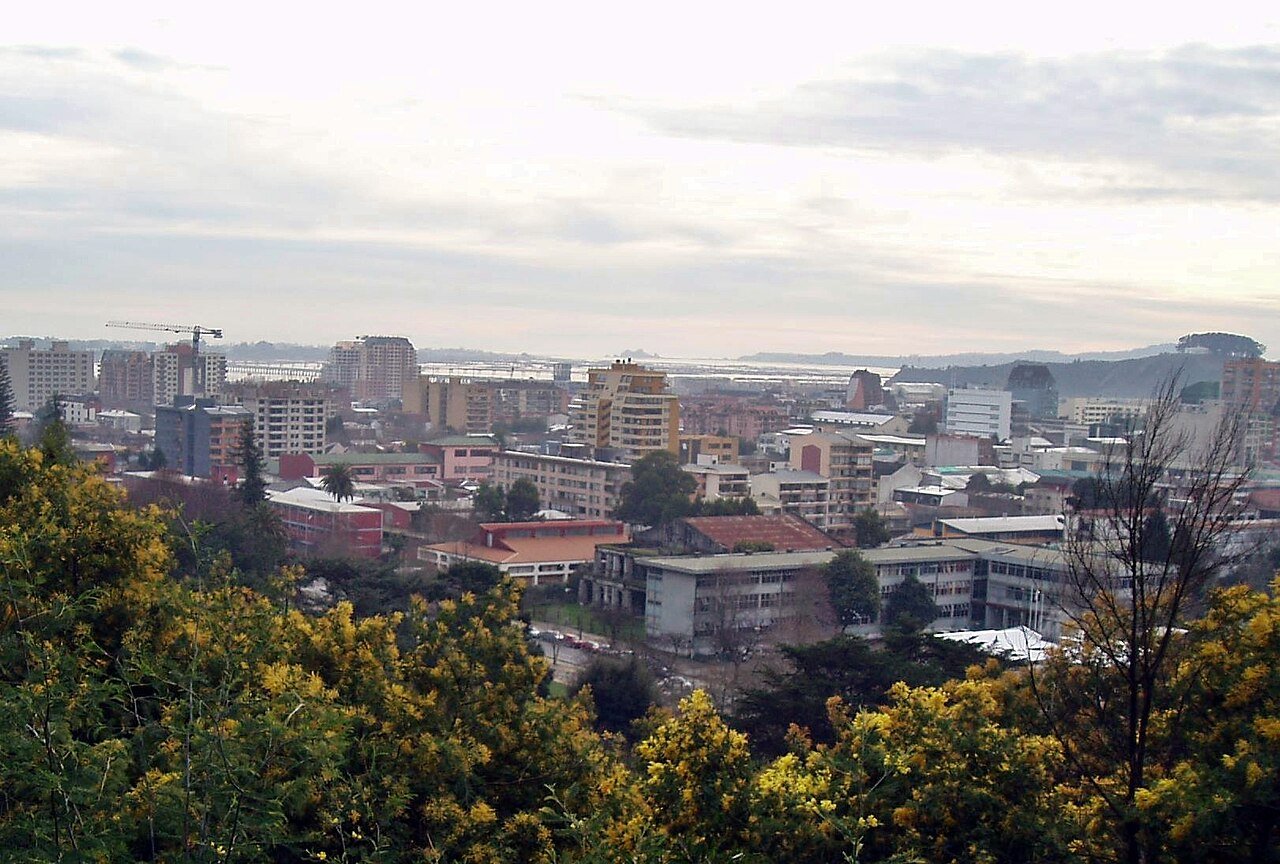
Experience Concepcion's campus city
UdeC's Campanil, parks and repeat campus routines show a calmer Chilean student experience outside the capital.
Learn more
Atacama desert weekend
A major north-Chile landscape trip. Budget flights and tours early and prepare for altitude and temperature swings.
Learn more
Patagonia trekking
World-class hiking, but not an improvised student trip: reserve transport, campsites and park access before travelling.
Learn moreFestival Calendar
 Lively
Around 18-19 September
Fiestas Patrias
Nationwide
Chile's main national celebration: fondas, cueca, food and changed transport or opening hours. Plan return routes and campus closures.
 Active
January
Santiago a Mil
Santiago and participating regions
Theatre, dance and public-space programming; check the official programme each year.
 Lively
February
Vina del Mar International Song Festival
Vina del Mar
Large televised music event with high demand and busy coastal transport. Book only through official channels.
 Lively
Dates announced annually
REC Festival
Concepcion
Concepcion's large public music festival and a strong introduction to the city's cultural identity.
 Active
December-February
Valparaiso summer cultural season
Valparaiso
Outdoor culture and busy hill routes. Use current municipal listings rather than assuming an old event date.
 Active
March and July-August
University welcome weeks
Host universities
The most useful student event: course help, clubs, campus services and trusted contacts appear here first.
Travel Tips
- Use established bus companies or flights for long-distance travel.
- Check weather and route conditions for Andes or southern trips.
- Follow official alerts for earthquakes, wildfire smoke and coastal risks.
Scholarships & student benefits in Chile
Student benefits in Chile can help with transport, food, culture and university services if you activate credentials early. Carry proof of enrolment and confirm which youth or student discounts apply to international students.
If you are coming to this country
Grants, discounts, and student support you can unlock once you study here.
Host university ID and campus services
Incoming exchangeYour host-university ID is the everyday key for libraries, Wi-Fi, orientation, sports, cafeterias, exchange events and faculty services. It matters more than a national discount card for many short exchange stays.
Typical amount
Usually included in enrolment; discounts vary
Duration
Exchange semester/year
Apply when
Activate during orientation week
Who it is for
Students formally enrolled or accepted by a Chilean host university.
How to unlock it
Collect student credentials through the host international office after enrolment.
Often stackable with
Host universities
Official sourceExchange tuition-waiver logic
Partner exchangeMany partner exchanges mean tuition is paid at the home university, not again in Chile. This is agreement-specific: confirm what is waived, what administrative fees remain and whether course materials or insurance are separate.
Typical amount
No fixed amount; depends on the agreement
Duration
Approved exchange period
Apply when
Before nomination and course registration
Who it is for
Students nominated through an official bilateral or network agreement.
How to unlock it
Ask both universities for written fee confirmation before budgeting.
Often stackable with
Home and host university exchange offices
Official sourceBip! card and student commute setup
Santiago commutersIn Santiago, Bip! is the standard card for Metro and RED buses. Exchange students should set it up in week one even if they are not eligible for a special fare, because it prevents daily commute friction.
Typical amount
Pay-as-you-go fares
Duration
As needed
Apply when
Week one
Who it is for
Students living or studying in Santiago.
How to unlock it
Buy and load the card at official points, then test campus routes before classes.
Often stackable with
Metro de Santiago / RED Movilidad
Official sourceTNE / student-fare eligibility check
Check eligibilityChile's student transport benefits are not something short exchange students should assume. If your stay is longer or your host university registers you locally, ask whether TNE or any student fare route applies before counting on it.
Typical amount
Eligibility-dependent
Duration
Academic year/semester if approved
Apply when
Ask before or during orientation
Who it is for
Students whose host institution confirms local student-fare eligibility.
How to unlock it
Do not self-assume; ask the host university mobility office what applies to exchange status.
Often stackable with
JUNAEB / host university
Official sourceCampus mental-health, sports and orientation support
Settling inChile can feel academically serious and socially reserved at first. Orientation, buddy programmes, sports and wellbeing services are practical benefits, especially for students adapting to Chilean Spanish, earthquakes and new safety routines.
Typical amount
Usually included or subsidised
Duration
Semester/year
Apply when
Join during orientation
Who it is for
Exchange students during the first month and exam periods.
How to unlock it
Register through the international office, sports office or student wellbeing service.
Often stackable with
Host universities
Official sourceIf you study here and want to go abroad
Mobility money and scholarships tied to your home institution in this country.
Home-university mobility funding
Outgoing mobilityStudents from Europe, Latin America or partner networks may have home-university, faculty or national mobility funding. Chile does not make one universal incoming grant automatic, so the safe source is your own sending institution.
Typical amount
Varies by home institution
Duration
Usually exchange semester/year
Apply when
Before nomination or acceptance
Who it is for
Students whose home institution offers exchange mobility aid.
How to unlock it
Check your home university international office and faculty grant calendar.
Often stackable with
Home university / sending programme
Chile student visa requirements
Difficulty: ModerateFor study abroad in Chile, separate exchange, full-degree, short-stay and residence requirements before booking flights. Admission letter, insurance, funds, housing proof and the university calendar need to match the current official route.
Permanencia transitoria / visitor status for short study stays where eligible
Some short exchange stays may use transitory stay routes, but eligibility depends on nationality, length and host-university guidance. Confirm before travel with SERMIG and the host university.
Residencia Temporal permit, student subcategory
SERMIG states that the student temporary residence permit is for foreigners who want to reside in Chile to study at state-recognized establishments. The application is made from outside Chile through SERMIG digital procedures and requires passport, criminal record certificate for applicants over 18, photo, enrollment or regular-student certificate, and proof of income or livelihood.
Application Checklist
9 steps-
1
Ask the host university whether your exchange should use transitory stay or student temporary residence.
-
2
If applying for student temporary residence, start from outside Chile through the SERMIG digital platform.
-
3
Prepare passport, photo, criminal record certificate if over 18, proof of enrollment or regular student status, and proof of funds.
-
4
Apostille or legalize documents where required and translate documents not in Spanish or English.
-
5
Buy health insurance that covers medical care, repatriation and the full exchange period.
-
6
Confirm whether your exchange duration requires a student visa or residence process.
-
7
Ask whether you need RUT/Cedula steps after arrival.
-
8
Carry insurance certificate in Spanish or English.
-
9
Recheck official Chile migration and consular instructions before booking non-refundable flights.
Regional Variations
Coastal cities
Healthcare for international students in Chile
Student Needs
Keep insurance documents accessible, ask the host university which clinics international students use, and check whether your policy covers emergency care, repatriation and civil liability.nnExchange students should normally arrive with international health insurance that covers private clinics and emergency care. Chile has public and private systems, but visiting students should not assume they can use local coverage like residents without checking visa/status and university instructions.
Emergency vs Clinic
For urgent medical emergencies call 131. For non-urgent issues, start with university health services or a private clinic covered by your insurance.
Public Coverage Notes
Insurance is commonly required by universities for incoming exchange students.
Private clinics in Santiago are easier for international students but can be expensive without coverage.
Earthquake-related emergency procedures should be learned during orientation.
EXTRA: Culture Shock & Apps
Moderate Culture Shock Expected
This destination may feel different from Western campus routines. The apps and advice below are high-impact setup items for everyday student life.
Default channel for class groups, housing leads, plans and daily coordination with local students.
Useful for checking real travel times between housing, campus, Metro and RED buses.
Route planning and service disruption checks in Santiago.
Transport card for Santiago Metro and RED buses.
Official alerts for earthquakes, fires, rain and emergencies.
Useful for night arrivals or routes where public transport is awkward.
Best cities to study in Chile
Santiago, Valparaiso, Concepcion are not interchangeable. Choose by academic fit, safety, housing and transport rather than fame or the strongest postcard.
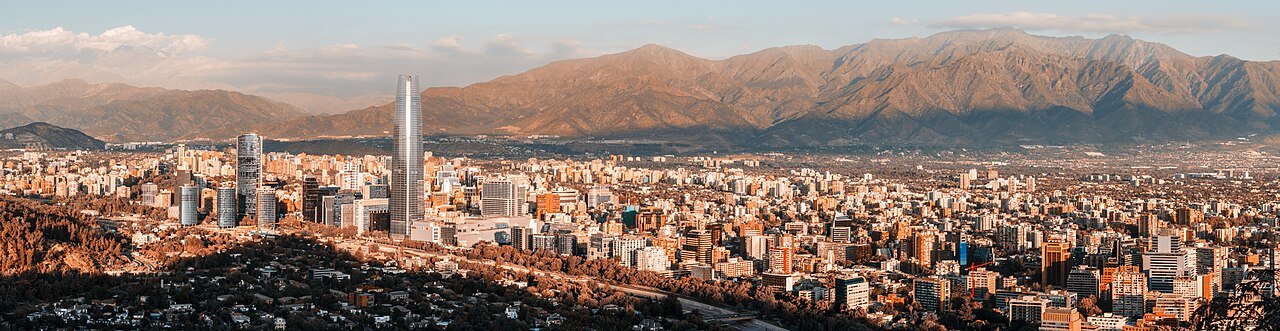
Santiago
Chile's academic and transport hub: serious universities, mountain views, higher costs and the easiest city for exchange logistics.
Open City Guide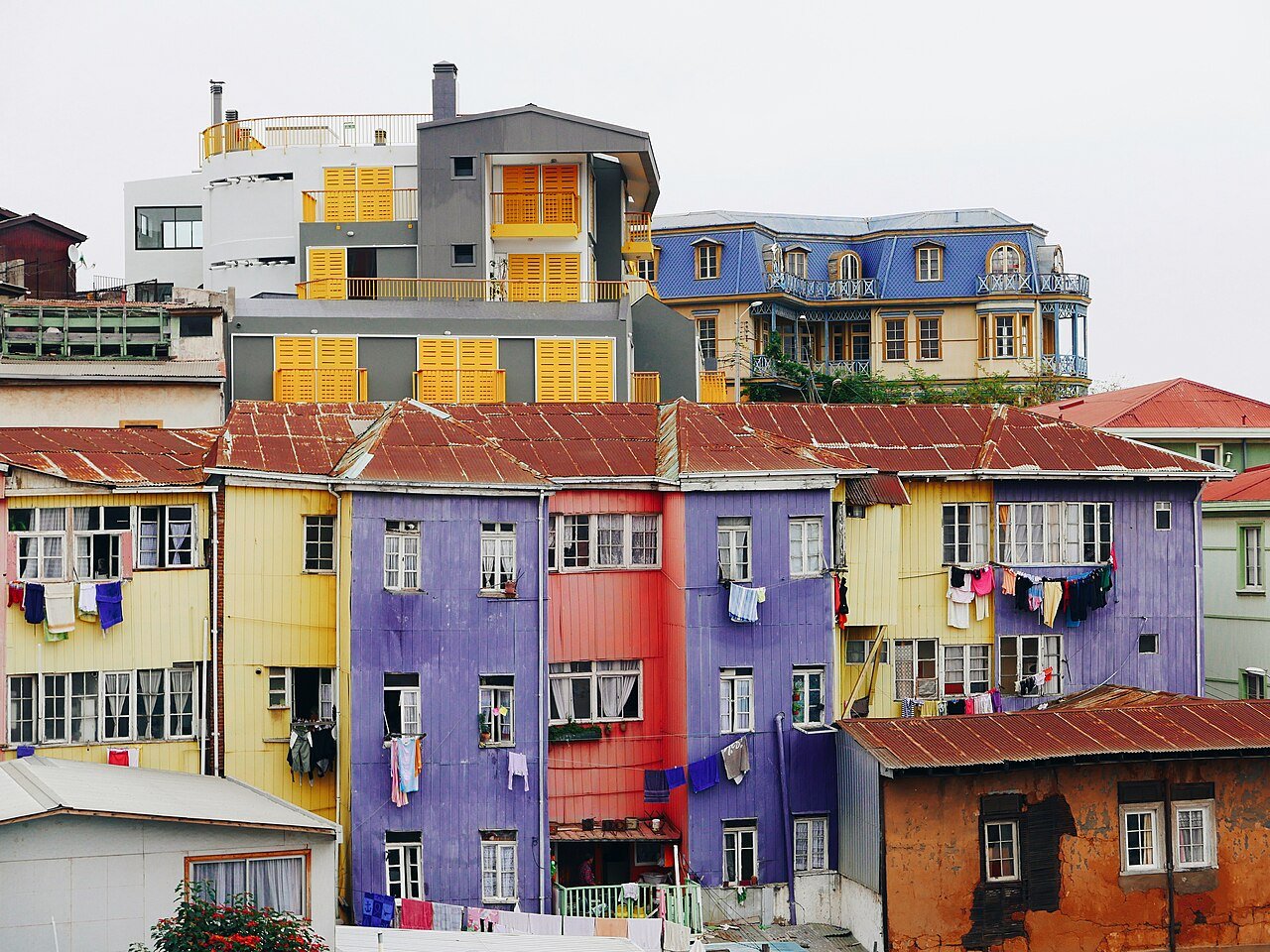
Valparaiso
A coastal, hilly, arts-heavy student city for Spanish immersion, PUCV-style exchange and a very different rhythm from Santiago.
Open City Guide
Concepcion
A classic Chilean university city: greener, rainier, cheaper than Santiago and strongly anchored by Universidad de Concepcion.
Open City Guide